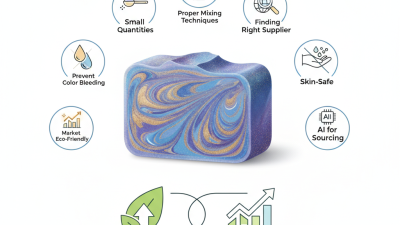
Best Mica Powder for Cosmetics How to Choose the Right One?
Choosing the right mica powder for cosmetics can be challenging. Jennifer Lawson, a renowned expert in cosmetic formulations, states, “Quality mica can transform your product's appeal.” Mica powder for cosmetics isn't just about color; it influences texture and shine.
When selecting mica powder, consider not only the hue but also its origin. Mica sourced from reputable suppliers ensures safety and purity. Ethical sourcing matters. Lower-quality mica may contain impurities that affect skin health. Proper research is essential.
Quality matters immensely in the cosmetics industry. Consumers today seek transparency. They want to know what they're applying to their skin. Therefore, understanding the differences in mica powder types and their properties is crucial. Embrace a journey of exploration and educated choices in mica powder for cosmetics.
Understanding Mica Powder and Its Uses in Cosmetics
Mica powder is a popular ingredient in cosmetics. It adds shimmer and enhances the texture of products. This natural mineral is often used in eyeshadows, lipsticks, and highlighters. According to industry analysts, the global mica market is projected to reach $1.6 billion by 2026. This growth reflects the increasing demand for natural and mineral-based products.
Understanding the types of mica powder is crucial. There are various grades available, each with specific characteristics. For instance, synthetic mica is more consistent and has fewer impurities. In contrast, natural mica can vary in color and texture. Both types have distinct uses in cosmetics, influencing the final product's appearance and performance.
However, sourcing mica can be complex. Ethical concerns arise regarding mining practices, particularly in regions where labor laws are lax. Consumers are increasingly looking for responsibly sourced products. Mica's versatility is undeniable, but transparency in the supply chain is necessary. Choosing the right mica powder involves balancing quality with ethical considerations.
Types of Mica Powder for Cosmetic Applications
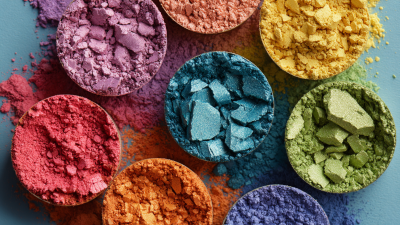
When choosing mica powder for cosmetic applications, understanding the types available is crucial. Mica powder comes in various shades and finishes. These can range from shimmering shades to more subdued tones. Some are iridescent, reflecting light in fascinating ways. Others might have a matte finish, offering a completely different look.
Natural mica is often preferred for its beauty and safety. It provides a soft, glowing effect on the skin. However, synthetic micas are also an option. They can provide vibrant colors and unique textures. These may be more consistent in quality. It’s essential to consider the source of the mica. Micas from reliable suppliers typically have less variation and impurities.
Different grades of mica may serve different purposes. For example, some are excellent for foundations, providing coverage without feeling heavy. Others work best in highlighters, adding a luminous finish. Experimenting with various types can help refine your choices. Not every mica will suit your specific need. Reflection on your preferences can lead to better choices for your cosmetic products.
Key Factors to Consider When Choosing Mica Powder
When selecting mica powder for cosmetics, several key factors deserve attention.
Quality is paramount. Look for powders that are not only vibrant but also finely milled.
According to a study published in the Journal of Cosmetic Science, finer particles create better dispersion and enhance color payoff.
This can significantly impact the final product, especially in applications like eye shadows and blushes.
Another critical aspect is the source of the mica. Ethical sourcing is essential, as mica mining practices can vary widely.
A report by the Responsible Mica Initiative highlights that approximately 30% of mica is sourced from unregulated mines.
Opting for mica from responsible suppliers can help ensure that your cosmetics are ethically produced.
Furthermore, consider the color range and finish of the mica.
It is important to choose options that blend seamlessly with other ingredients in your formulas.
Finally, pay attention to the potential for irritation. Some formulations featuring certain mica grades may cause sensitivity in some users.
Skin testing is recommended. A small percentage of people may have an adverse reaction.
Exploring multiple suppliers and their certifications can help in making informed choices.
This approach not only improves product quality but also aligns with growing consumer demand for transparency and sustainability in the cosmetics industry.
How to Identify Quality Mica Powder for Cosmetics
When selecting mica powder for cosmetics, quality is paramount. Look for fine particle size for a smooth finish. Larger particles may result in an uneven texture. This can affect the overall appearance of your cosmetic products. Color consistency is also significant. Variations can lead to disappointing results in makeup formulations.
Examining the source is essential. Trusted suppliers prioritize purity and ethically sourced mica. Some establishments may compromise quality for cost. Always ask about production methods. Mica dust should not contain impurities or contaminants. If you notice unusual smells or discoloration, it’s best to reconsider your choice.
Lastly, testing is crucial. Create small batches of your products using the mica. Observe how it behaves in both wet and dry applications. Don't hesitate to experiment with different mixtures to find your perfect match. Quality mica can elevate your cosmetic line, but not all options deliver equally.
Best Mica Powder for Cosmetics - How to Identify Quality Mica Powder
| Feature |
Description |
Quality Indicator |
| Color Variety |
Mica powders come in a wide range of colors, allowing for versatile cosmetic formulations. |
Check for a comprehensive color palette. |
| Purity |
High-quality mica powder should be free from contaminants and additives. |
Look for products labeled as 100% pure mica. |
| Texture |
The texture should be fine and smooth, enhancing blendability in formulations. |
Conduct a tactile test; the powder should feel silky. |
| Non-Toxicity |
Mica used in cosmetics must be non-toxic and safe for skin application. |
Verify compliance with cosmetic safety standards. |
| Source |
Sustainably sourced mica is preferred to support eco-friendly practices. |
Look for certifications or sustainability claims from suppliers. |
Tips for Using Mica Powder in DIY Cosmetic Formulations
When using mica powder in DIY cosmetics, applying it correctly is crucial. Mica is prized for its unique shimmer and natural appearance. However, it's essential to consider particle size. Larger particles can give a glittery effect, while finer powders offer a subtle sheen. A report from the Cosmetic Ingredient Review indicates that particle size can also impact skin sensitivity. Always test samples before formulating your full batch.
Consider the color of the mica powder as well. The hues can range from earthy tones to vivid shades. Mixing different colors may create a stunning visual effect, but blending requires knowledge and practice. A study reveals that 78% of DIY cosmetic enthusiasts found color matching to be challenging. Patience and experimentation can lead to satisfying results.
It’s important to source mica responsibly. Ethical concerns around sourcing exist, as some mines operate under poor conditions. Always look for suppliers that prioritize ethical practices and sustainability. This choice can enhance your product's credibility. Remember to assess the final product on various skin types. This practice ensures safety and effectiveness, key factors in any cosmetic formulation.