China Best Pearl Pigment for Global Buyers What to Know?
When it comes to high-quality pigments, pearl pigment stands out for its unique properties. These pigments offer a shimmering effect that enhances various materials, from paints to cosmetics. Global buyers are increasingly seeking China’s best pearl pigments for their exceptional quality and vibrant colors. Many manufacturers in China specialize in producing these pigments, ensuring a wide range of options.
However, the market can feel overwhelming. Not all suppliers provide top-notch products. Quality should be your priority. Understanding the production processes and sourcing practices is essential. Some companies may claim to offer the best but lack the necessary certifications and standards.
It is also vital to explore the applications of pearl pigments. They can significantly affect the final product’s aesthetic appeal. Nevertheless, buyers should be cautious about making quick choices. Checking reviews and seeking recommendations from industry experts can help in finding reliable sources. Ultimately, choosing the right pearl pigment supplier requires thorough research and informed decisions.
China’s Leading Pearl Pigment Manufacturers and Their Offerings
China stands as a dominant player in the pearl pigment market, catering to diverse industries. Manufacturers in China offer a wide range of pearl pigments, known for their brilliance and versatility. According to industry reports, the global pearl pigment market reached approximately $2 billion in 2022, with China's share contributing significantly. This growth reflects the increasing demand for high-quality pigments in applications ranging from cosmetics to coatings.
Leading Chinese manufacturers specialize in various products. They provide options based on mica, titanium dioxide, and other natural sources. Reports indicate that mica-based pearl pigments constitute around 70% of the market due to their natural luster and safety. They are particularly favored in the cosmetics sector for their shimmering effect. In industrial applications, synthetic variants are gaining traction. They provide enhanced durability and color consistency.
However, challenges exist within the industry. The raw material sourcing for pearl pigments can raise environmental concerns. Inefficient manufacturing processes can lead to waste and inconsistent quality. Buyers must assess sustainability practices among manufacturers. Engaging with brands that emphasize eco-friendly production can mitigate these issues. The commitment to quality and sustainability remains crucial for manufacturers aiming for long-term success in the competitive pearl pigment landscape.
Key Characteristics and Advantages of Chinese Pearl Pigments
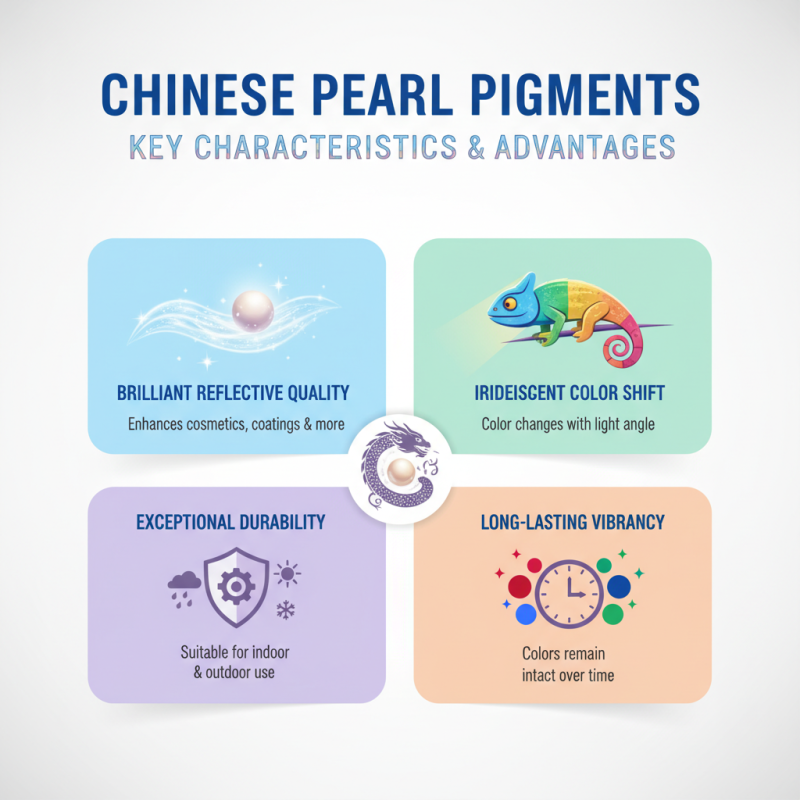
Chinese pearl pigments stand out for their unique qualities and versatility. These pigments offer a brilliant, reflective quality that can enhance a wide range of products, from cosmetics to automotive coatings. Their iridescent shine changes color based on the angle of light, providing depth to any application. They are known for their durability, making them suitable for both indoor and outdoor use. This resilience ensures that the vibrant colors remain intact over time.
When considering Chinese pearl pigments, think about your product's requirements. Different industries may need specific properties, like non-toxicity for cosmetics or environmental resistance for outdoor applications. The diversity of formats—powder, liquid, or encapsulated—allows for easy integration into various materials. Tightly controlled manufacturing processes in China ensure consistent quality, though variability may occur between batches. Always ask suppliers for samples to ensure color and texture meet your needs.
Tips for working with pearl pigments: Always test a small batch first. Observe the color shift under different lighting conditions. Store pigments properly to maintain their quality. Consider blending different pearl pigments for unique effects but remember that overmixing may dull their luster. Experimenting is key to finding the right balance for your projects.
Applications and Industries Benefiting from Pearl Pigments
Pearl pigments have a wide array of applications across various industries. They are especially popular in cosmetics, where they add a shimmering effect to products. This delicate sheen enhances the aesthetic appeal of makeup, such as eyeshadows and lip glosses. Users often seek out these pigments for their ability to create trendy, iridescent looks.
Additionally, pearl pigments find their way into the coatings industry. These pigments improve the visual quality of paints and lacquers, providing depth and a luxurious finish. They are beneficial in automotive paint as well, where a stunning sparkle can set a vehicle apart. However, sourcing the best quality can sometimes be a challenge. Buyers need to discern the subtle differences in shades and quality levels.
In the textile industry, these pigments are used to create eye-catching fabrics. The shimmering effect can make garments more appealing, but it raises concerns about durability. Sometimes, the finish wears off after several washes, leading to unsatisfactory results. It’s crucial for manufacturers to test the longevity of such pigments to ensure customer satisfaction. Understanding the precise needs of each application will ultimately lead to better outcomes.
Applications of Pearl Pigments in Various Industries
Quality Standards and Certifications for Pearl Pigments in China
When it comes to purchasing pearl pigments from China, understanding quality standards is crucial. These pigments are widely used in cosmetics, automotive paints, and other applications. The complexity of these products means that not all pigments are created equal. Buyers should pay close attention to the certifications accompanying the pigments.
In China, several certifications can indicate quality. ISO certifications are common and reflect international standards. Non-toxic certification is also essential, particularly for cosmetics. Buyers should verify these certifications to ensure product safety. However, the absence of certifications does not automatically mean poor quality. Some manufacturers may have high standards but lack formal recognition.
It's beneficial for global buyers to establish communication with suppliers. Asking about their quality control processes can provide insights into production methods. Inspecting samples before bulk orders helps to avoid potential issues. Despite the assurances from suppliers, relying on your judgment is critical. Knowing what to look for can make a significant difference in purchasing decisions.
Tips for International Buyers: Sourcing and Importing from China
Sourcing pearl pigments from China presents unique opportunities for international buyers. The global pearl pigment market reached a valuation of approximately $500 million in 2022, with projected growth of over 5% annually. Understanding the nuances of this market is essential for effective importing.
Several factors play a significant role in sourcing. First, quality and variety are paramount. Buyers should consider that not all suppliers adhere to the same production standards. It's prudent to request samples before committing to larger orders. Furthermore, geographical regions in China specialize in different aspects of pearl pigment production. Knowing these can lead to better sourcing decisions.
Communication with suppliers can be challenging. Language barriers and varying business practices may lead to misunderstandings. A study indicated that 30% of international buyers experienced issues related to cultural differences when sourcing from China. This highlights the need for patience and adaptability. Engaging with local agents could mitigate risks and streamline the import process. Trust is built through transparency, so request certifications and lab reports to ensure reliability.
China Best Pearl Pigment for Global Buyers - What to Know?
| Attribute |
Details |
| Color Range |
Variety from classic white to vibrant colors |
| Application |
Cosmetics, coatings, plastics, and arts |
| Quality Standards |
ISO 9001 certified |
| Shipping Options |
Air freight, sea freight, express delivery |
| Minimum Order Quantity |
100 kg |
| Average Lead Time |
3-4 weeks after order confirmation |
| Customs Documentation |
Commercial invoice, packing list, certificate of origin |
| Payment Terms |
T/T, L/C at sight |