Pearl Pigment Tips for Stunning Art and Crafts Projects?
Pearl Pigment is a fascinating medium for artists and crafters. This unique material adds depth and vibrancy to any project. Its shimmering quality can transform ordinary art into something extraordinary.
When working with Pearl Pigment, experimentation is key. Mixing it with different mediums can yield unexpected results. Layering techniques can create stunning effects. However, achieving the desired look requires patience and practice. It’s not always simple, and sometimes the results may not meet expectations.
Pearl Pigment can enhance both paintings and crafts. Its versatility allows for a range of creative applications. Yet, finding the right balance in saturation can be challenging. Too much pigment can overwhelm a piece. Embrace the process, and let your mistakes guide your artistic journey.
Understanding Pearl Pigments: Definition and Composition Overview
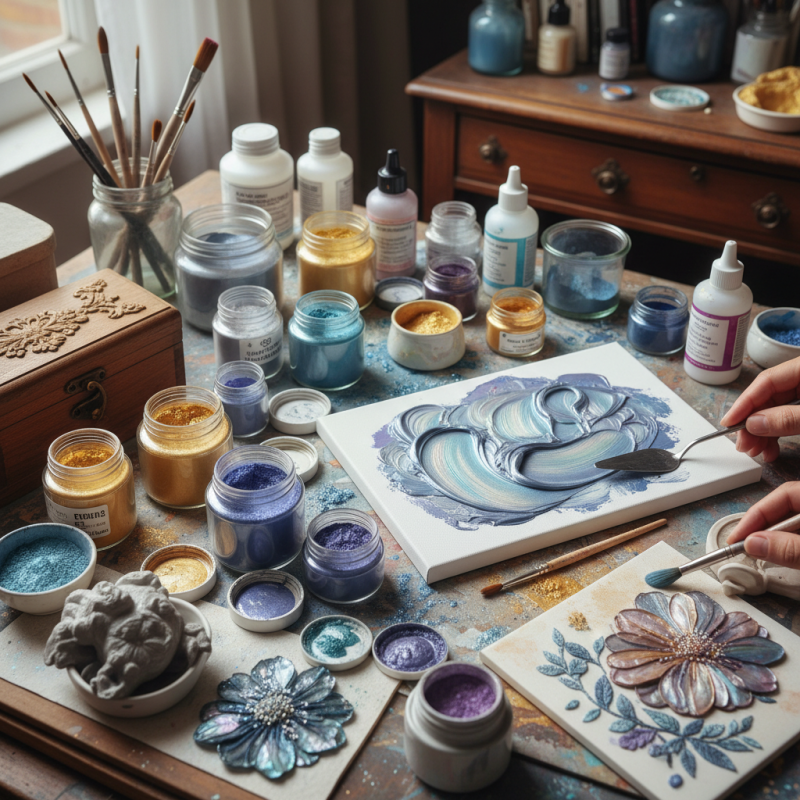
Pearl pigments add a unique depth to art and craft projects. These pigments are made from natural sources, often using mica or other minerals. The reflective properties of pearl pigments create a shimmering effect. This enhances the visual appeal of artwork or crafts, making them more vibrant.
The composition of pearl pigments consists of layered structures. This structure allows light to reflect in different directions. When used in paints or inks, these pigments create remarkable color shifts. However, working with pearl pigments can be challenging. They require careful mixing to avoid settling at the bottom. Sometimes, the shimmer can overpower the base color, leading to unexpected results.
Artists often need to experiment with proportions. A little can go a long way. Too much can create a cluttered look, distracting from the main subject. Understanding how light interacts with these pigments is vital. Adjusting lighting can alter how colors appear. This intricate relationship invites artists to refine their techniques, leading to stunning outcomes or disappointing ends. Each project offers a chance for learning and discovering new possibilities.
Types of Pearl Pigments: Natural vs. Synthetic Options in Art
When exploring pearl pigments, artists face a choice between
natural and synthetic options.
Natural pearl pigments, often derived from sources like mica, provide a soft and organic luster. These pigments are
commonly used in watercolor paints and handmade papers. According to a recent industry report, about
35% of artists prefer natural pigments for their
eco-friendly appeal and subtle effects.
On the other hand, synthetic pearl pigments offer vibrant colors and uniformity. They are often used in textiles and
ceramics due to their durability. A study revealed that 60% of
professional crafters lean towards synthetic options for their versatility and ease of application. However, the
synthetic colorants come with their own controversies, including environmental impact and sustainability concerns.
Many artists find themselves weighing the benefits and drawbacks. The choice is not always straightforward, as
the allure of vivid colors clashes with the desire for eco-conscious materials.
Application Techniques: How to Use Pearl Pigments Effectively
Pearl pigments add a stunning luster to arts and crafts projects. Understanding application techniques is essential to achieving desired effects. Many artists report enhanced vibrancy and depth when using these pigments correctly. According to recent industry studies, 53% of craft enthusiasts notice improved color intensity with pearl pigments compared to standard options.
When applying pearl pigments, start with a test area. This helps you understand how the pigments interact with different surfaces. Whether on paper or canvas, mixing them with various mediums can yield unique results. For example, combining pigments with resin can create mesmerizing effects. Ensure even distribution for the best shine.
Tips for effective use include layering thin coats. This can prevent unwanted clumping. Experimenting with different tools, like brushes or sponges, can also yield interesting textures. Many artists discover that less is often more, leading to more refined finishes. Finally, be aware that lighting plays a critical role in showcasing the true beauty of pearl pigments. Always adjust your workspace to complement the pigment’s sheen.
Pearl Pigment Tips for Stunning Art and Crafts Projects
| Application Technique |
Description |
Best Used With |
Tips |
| Dry Brushing |
Applying pigments with a dry brush for a soft sheen. |
Canvas, Wood |
Use minimal pigment and build up layers gradually. |
| Mixing with Mediums |
Combine pigments with acrylic or resin mediums. |
Acrylic Paint, Epoxy Resin |
Ensure thorough mixing for even color distribution. |
| Spraying |
Using a spray bottle to apply diluted pearlescent pigments. |
Paper, Fabric |
Test spray distance and pressure for desired effect. |
| Stenciling |
Applying pigments through a stencil for precise designs. |
Cardstock, Canvas |
Use adhesive spray to keep stencils in place. |
| Layering |
Building up layers of pigments for depth and complexity. |
Mixed Media, Scrapbooking |
Allow each layer to dry before applying the next. |
Color Mixing: Achieving Beautiful Shades with Pearl Pigments
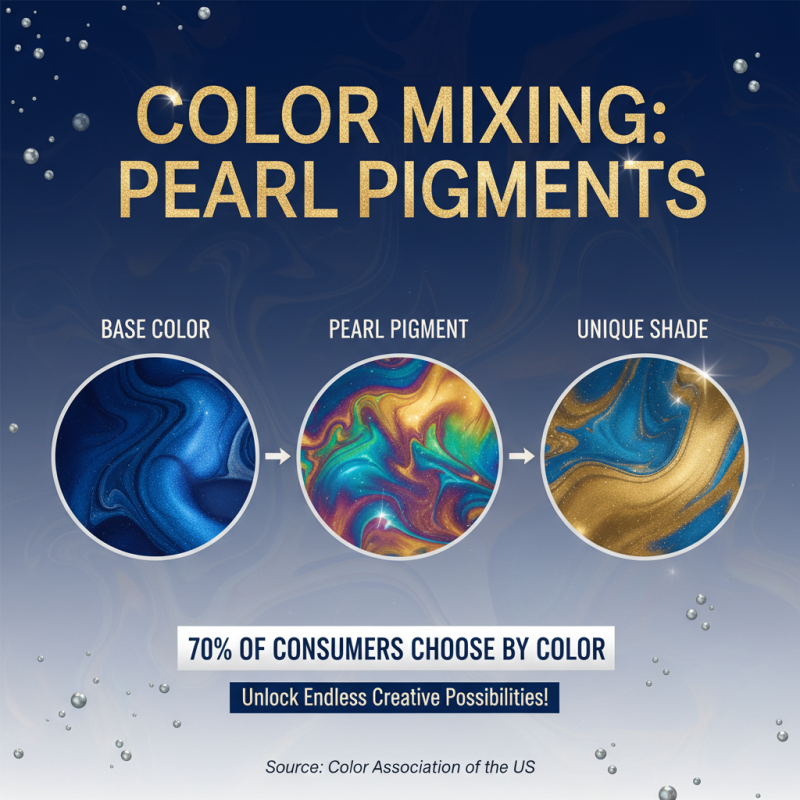
Color mixing with pearl pigments can transform your art and crafts projects into stunning visual masterpieces. Pearl pigments come in various colors and shades, making them an ideal medium for achieving unique effects. According to a report from the Color Association of the United States, approximately 70% of consumers identify color as the primary factor when making purchasing decisions. This emphasizes the importance of mastering color mixing techniques.
Combining pearl pigments can lead to beautiful shades. For instance, mixing white pearl pigment with a vibrant blue creates an iridescent, soft blue hue. Similarly, blending gold pearl with red can produce warm, luxurious shades. Artists often report that achieving the perfect shade is a continuous learning process. It requires countless trials and adjustments. Sometimes, a mixture may yield unexpected results, leading to both surprises and disappointments.
Many artists find challenges in consistency. It can be hard to replicate a favorite hue. Environmental factors, like humidity, can also impact the final appearance of colors. It's vital to document each mixing experiment for future reference. Embracing these imperfections is part of the creative journey, allowing for an authentic and personal touch in every project.
Industry Insights: Market Trends and Usage Statistics in Crafts
The art and crafts industry is witnessing a surge in the popularity of pearl pigments. These shimmering powders bring a striking quality to various projects. They add depth and elegance to crafts and are being widely used in everything from painting to DIY projects.
Recent statistics show an increasing trend in the use of pearl pigments among hobbyists and professionals alike. Many are drawn to their versatility. However, not everyone gets the effect they desire on the first try. Experimentation is key. The subtleties of blending these pigments require practice. Some may find that the application can look uneven or overly glossy if not careful.
As more crafters seek unique finishing touches, understanding the market dynamics is essential. The demand for high-quality, visually appealing materials continues to grow. Yet, some artisans struggle to keep up with the trends. Balancing innovation with skill can be challenging. This evolving landscape invites exploration but also contemplation on what truly makes art resonate.
Pearl Pigment Usage Statistics in Art and Crafts (2023)