What is Pigment Powder For Resin and How to Use It?
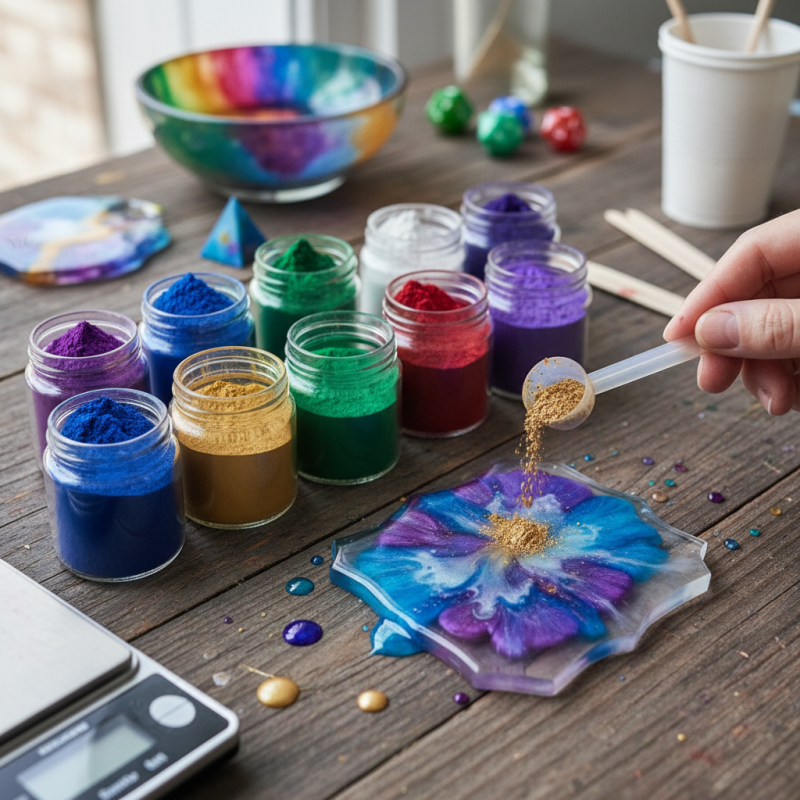
Pigment Powder For Resin has gained popularity in the world of crafting and art. It allows for vibrant colors and stunning effects in resin projects. Using this powder, you can transform simple resin into beautiful creations.
However, mastering the use of Pigment Powder For Resin can be challenging. Not every mixture yields the desired outcome. It's essential to understand the right ratios and techniques. The quality of the pigment also plays a role in the final appearance. Experimentation is key to finding what works best for your project.
While many resources exist, not all provide clear guidance. It’s common to struggle with color mixing or achieving consistency. Reflection on past projects can lead to breakthroughs. Embrace the journey with Pigment Powder For Resin and enjoy creating unique pieces.
What is Pigment Powder and Its Role in Resin Applications?
Pigment powder plays a crucial role in resin applications. This fine, colored powder is used to create vibrant, durable finishes in various projects. It provides a way to achieve a wide range of colors, making it popular among artisans. Studies indicate that using pigment powder can enhance the aesthetic appeal of resin products. In fact, the global pigment market is projected to reach $25.5 billion by 2025, reflecting growing demand in various sectors.
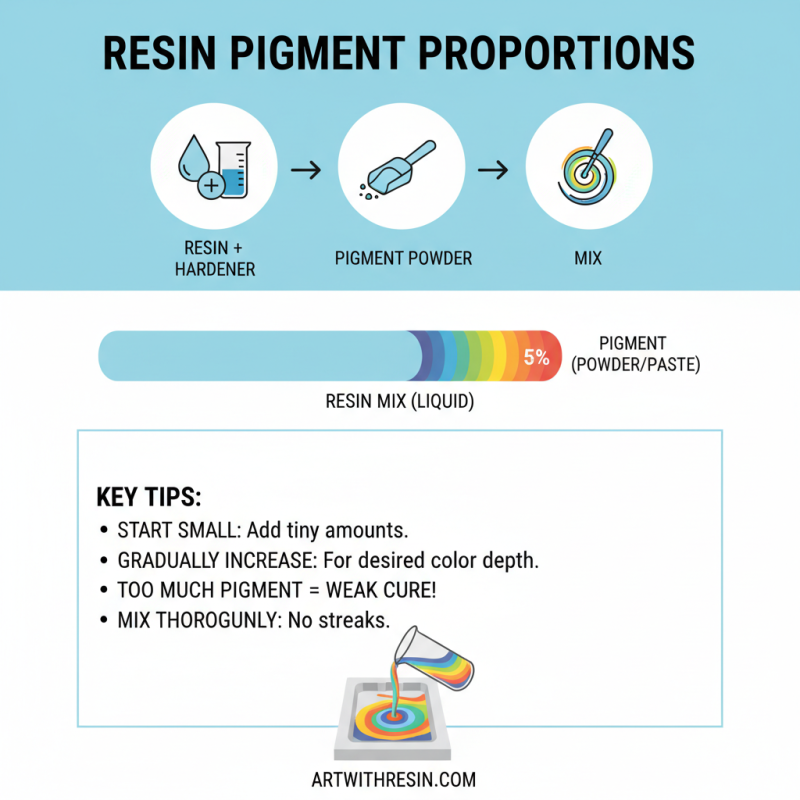
When incorporating pigment powder into resin, mix thoroughly to ensure even color distribution. A common ratio is about 5-10% pigment to resin. To achieve unique shades, experiment with different combinations. Some artisans report that layering colors can create depth. However, it’s important to note that excessive pigment can impact the resin's clarity and curing process. This requires careful balance and understanding.
Tips: Start with small batches. This allows you to test colors and cures without wasting materials. Pay attention to the curing time. Over-pigmented resin can take longer to set. Always conduct tests on scrap pieces before large-scale application. Proper ventilation is essential when working with resin and pigments. Good practices enhance both safety and results.
Types of Pigment Powders Used in Resin: An Overview of Options
Pigment powders are essential for enhancing resin creations. These powders come in various types, each adding unique properties and aesthetics to your work. Here are some common options.
Mica powders are popular for their shimmer and sheen. They come in many colors and create a sparkling effect. These powders often blend well with resin, making them easy to work with. However, be mindful of how much you use; too much can overshadow the clarity of the resin.
Metallic pigments are another choice. They add a shiny finish that can mimic metal surfaces. This type often requires careful mixing. A good tip: start with a small amount and gradually increase until you achieve your desired effect.
Dyes offer a different approach. They create vibrant colors but can be tricky. Dyes typically mix well but may lead to cloudy resin if overused. Always test before committing to your project. Ultimately, the choice of pigment depends on your vision and the effect you want to create.
Experimenting is key. Each pigment behaves differently. Sometimes mistakes lead to unexpected beauties. Don’t be afraid to try new combinations.
How to Properly Measure and Mix Pigment Powder with Resin
Mixing pigment powder with resin can create stunning artwork. However, getting the proportions right is crucial. Start with a clean work area and all your materials ready. This includes your resin, hardener, and chosen pigment powder.
Tips: Use a scale for accurate measurement. If you don’t have a scale, use a small measuring spoon. It's easy to overdo it. A little pigment can go a long way. Too much powder can lead to an uneven finish or changes in the resin's curing properties.
Carefully pour the pigment into the resin. Stir slowly to avoid bubbles. Make sure to incorporate it fully. Inadequate mixing can result in clumps. These can ruin your piece. Check for color consistency as you mix. Practice makes perfect. Don't hesitate to test small batches first.
Tips: Keep records of your measurements. This will help you replicate successful mixtures. If a batch goes wrong, analyze what went wrong. Adjust for next time. Learning through trial and error is part of the process. Enjoy the journey of experimentation!
Recommended Ratios: Achieving Desired Color Intensity in Resin
When using pigment powder for resin, achieving the right color intensity is crucial. The recommended ratios often depend on the type of resin and desired effect. Typically, start with 1 teaspoon of pigment powder for every 2 ounces of resin. This amount gives a nice, vibrant shade. Adjust the pigment gradually to avoid overwhelming the resin.
Tips: Always mix the pigment in a separate cup before adding it to the resin. This helps avoid clumps. Test small batches to see how colors blend. It’s easy to overdo it; too much pigment can muddy the colors.
Color can change once the resin cures. What looks vibrant might dull down. So, if aiming for a specific shade, keep a sample for reference. Remember, every batch might behave differently. Be courageous with experimentation but also prepared for surprises. Sometimes, your mix might not turn out as expected. Embrace those moments; they can lead to new, unexpected creations.
Safety Guidelines and Best Practices for Using Pigment Powder in Resins
When using pigment powder in resin projects, safety is paramount. The right precautions can prevent health issues.
Pigment powders can create dust, which may irritate your lungs or skin. Always use a mask and gloves.
Studies show that inhaling fine particles may lead to respiratory problems over time.
Proper ventilation is essential. Working in a well-ventilated area reduces toxin exposure. Open windows or work outside if possible.
Personal protective equipment, like goggles, can shield your eyes from accidental splashes. Always have water nearby in case of spills.
Tips: Measure carefully. Using too much pigment can lead to poor curing and discoloration. Start with small amounts and gradually increase.
Also, avoid eating and drinking in your workspace. Contamination can compromise your resin quality. Clean your tools promptly after use to avoid product build-up.
Observing these practices enhances results and maintains safety.