What is Synthetic Mica and How is it Used in Cosmetics?
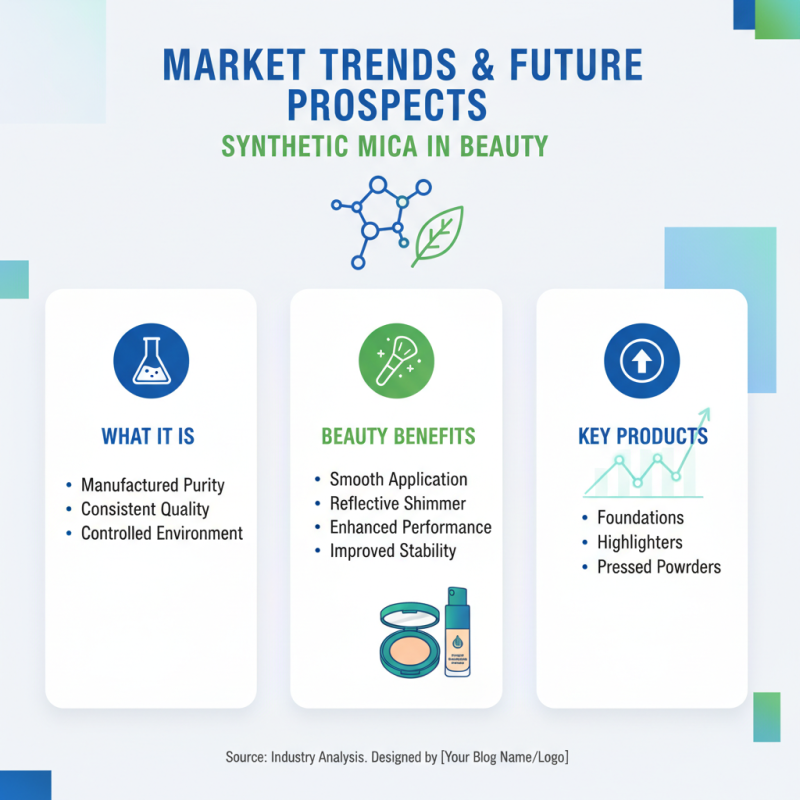
Synthetic Mica is gaining traction in the cosmetics industry. This mineral alternative offers a range of benefits. According to a report by Grand View Research, the global synthetic mica market was valued at over $200 million in 2022 and is projected to expand significantly. Experts believe that this material is crucial for innovation in cosmetic formulations.
Dr. Emily Carter, a leading figure in cosmetic chemistry, emphasizes, "Synthetic Mica can enhance product texture while maintaining a clean beauty profile." This perspective aligns with the industry's shift towards sustainable and environmentally friendly ingredients. Moreover, synthetic mica is known for having a more consistent quality compared to natural mica.
While synthetic mica presents many advantages, some challenges remain. Manufacturers must ensure that production processes are environmentally responsible. Consumer awareness and acceptance also pose hurdles. As the market evolves, it's essential to reflect on the implications of using synthetic materials. Balancing innovation with sustainability will define the future of cosmetics.
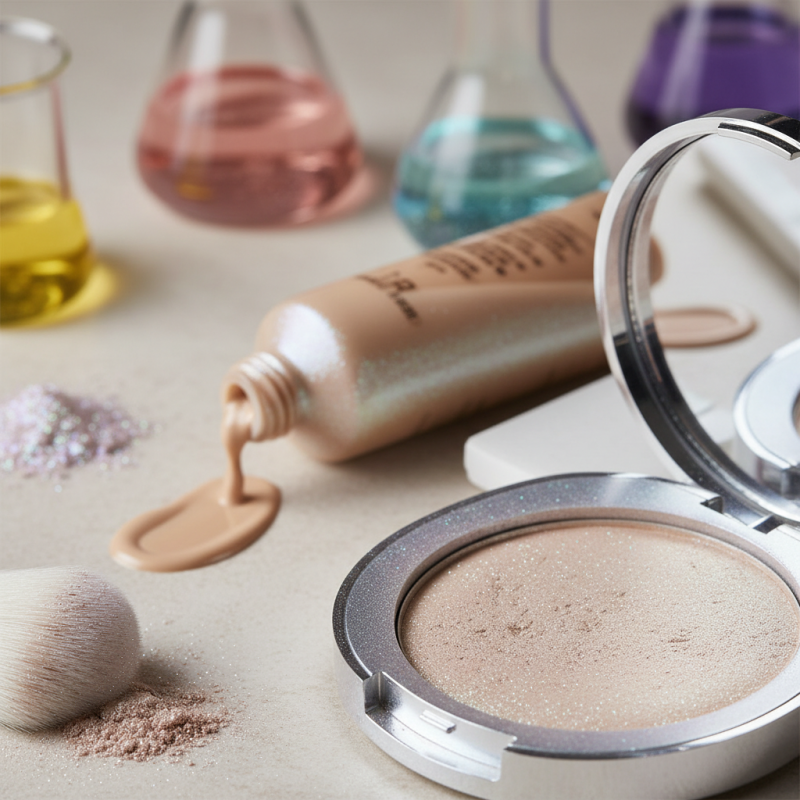
What is Synthetic Mica and Its Chemical Composition?
Synthetic mica is a man-made mineral that closely resembles
natural mica in appearance and properties.
Its chemical composition primarily consists of silicate minerals, including silicon, oxygen,
and various metals. These components create the shimmering effect that many consumers find
appealing in cosmetics. This synthetic alternative is often preferred due to
its reliable quality and ethical sourcing.
Manufacturers produce synthetic mica through a controlled process, eliminating the
environmental concerns tied to mining natural mica.
Many consumers are unaware of the challenges involved in sourcing natural mica, such as
labor issues. This lack of awareness can lead to ethical dilemmas. Synthetic mica offers
a stable and consistent product that serves as an excellent alternative for various
cosmetic formulations, including eyeshadows and highlighters.
While synthetic mica is a standout in many ways, it also has limitations. Some consumers
feel it lacks the unique qualities of natural mica. The differences may be subtle, but they
matter to discerning users. Research is ongoing to find ways to enhance synthetic mica’s
properties further, ensuring it meets the evolving demands of the cosmetics industry.
Finding the right balance between innovation and tradition
remains a challenge for many.
The Manufacturing Process of Synthetic Mica: A Step-by-Step Guide
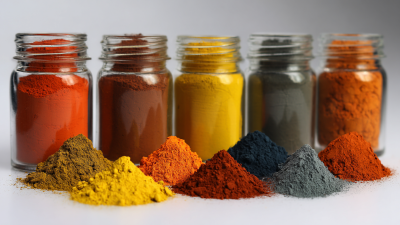
The process of making synthetic mica involves several intricate steps. This mineral is often used in cosmetics for its shimmering properties and excellent light-reflecting abilities. The journey begins with sourcing raw materials, which are then carefully processed to create synthetic mica. The minerals are subjected to high temperatures in a controlled environment. This ensures that the final product is pure and free from impurities.
Manufacturers then grind the mica crystals into fine particles. These particles can vary in size depending on the desired application. The result is a silky-smooth texture that blends seamlessly into cosmetics, enhancing aesthetics. It is crucial to maintain strict quality control during this phase. Any imperfections can affect the product’s performance in makeup or skincare.
Tips: When purchasing cosmetics containing synthetic mica, check for certifications. Look for products that prioritize eco-friendly manufacturing. Additionally, ensure the product aligns with your skin type and needs. The use of synthetic mica is generally considered safer than natural mica, as it avoids potential contaminants. However, awareness of source transparency remains vital.
Applications of Synthetic Mica in the Cosmetics Industry
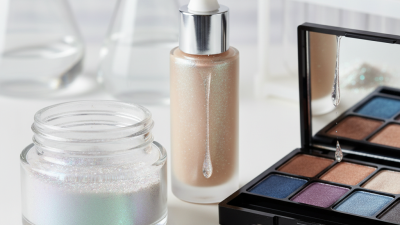
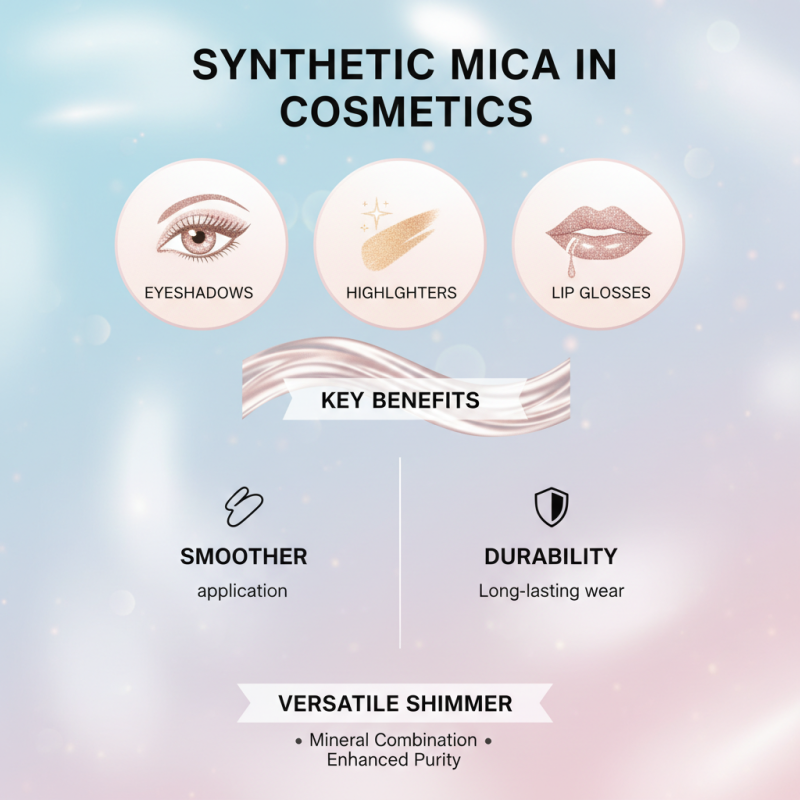
Synthetic mica is a versatile ingredient used widely in the cosmetics industry. It is made by combining various minerals, providing a shimmering effect. Products like eyeshadows, highlighters, and lip glosses benefit from its unique properties. Synthetic mica offers a smoother application and added durability compared to natural mica.
The use of synthetic mica in cosmetics has grown due to its safety profile. Unlike natural mica, it undergoes rigorous testing. This ensures that it is free from contaminants. Brands appreciate its customizable nature for different product formulations. Synthetic mica comes in various sizes and finishes. This versatility allows for innovative product designs and textures.
**Tips:** When selecting cosmetic products, check the ingredient list for synthetic mica. It can enhance the product's performance. Also, consider your skin type. Some formulations might feel heavy or cause irritation. Always patch-test new products to avoid reactions. While synthetic mica is generally safe, individual sensitivities can occur.
Comparing Synthetic Mica and Natural Mica: Benefits and Risks
Synthetic mica has gained popularity in the cosmetics industry. It offers a shimmery appearance similar to natural mica. However, the comparison isn’t straightforward. Synthetic mica is chemically created, which raises questions about its safety and environmental impact. In contrast, natural mica is mined, often linked to ethical concerns.
Natural mica comes with risks. Mining practices can harm local communities and ecosystems. Child labor is a serious issue in some regions. Companies must evaluate their sources carefully. Synthetic mica should theoretically provide a safer alternative, but it's essential to consider long-term effects.
Both forms have unique benefits. Synthetic mica is more consistent in quality and can be produced without the ethical issues tied to mining. However, natural mica can bring authenticity and unique textures to products. This duality prompts consumers and brands to rethink their choices, balancing safety, ethics, and beauty.
Comparison of Synthetic Mica and Natural Mica in Cosmetics
This chart illustrates the usage of synthetic mica versus natural mica in cosmetics. Synthetic mica is used in approximately 65% of cosmetic products, while natural mica is utilized in about 35%. Synthetic mica is often favored for its purity, consistency, and safety in formulations.