How to Use Chameleon Mica Powder for Stunning Craft Projects
Chameleon Mica Powder has emerged as a vital ingredient in the crafting industry, thanks to its unique shimmering qualities. According to a recent industry report, the market for mica-based pigments is projected to reach $1.5 billion by 2025. This growth is driven by the increasing demand for non-toxic, eco-friendly crafting materials. Expert Laura Chen states, "Chameleon Mica Powder is revolutionizing how artists approach color and texture."
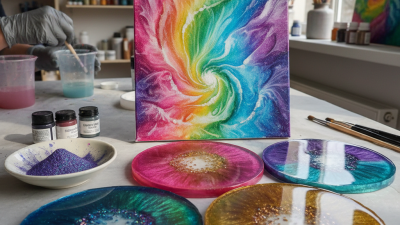
In various craft projects, this powder can create stunning visuals and effects. When used in resin, it can transform ordinary items into eye-catching pieces. Many artisans enjoy experimenting with different mixing techniques to achieve the desired finish. However, some struggle with the right ratios, leading to inconsistencies in color vibrancy.
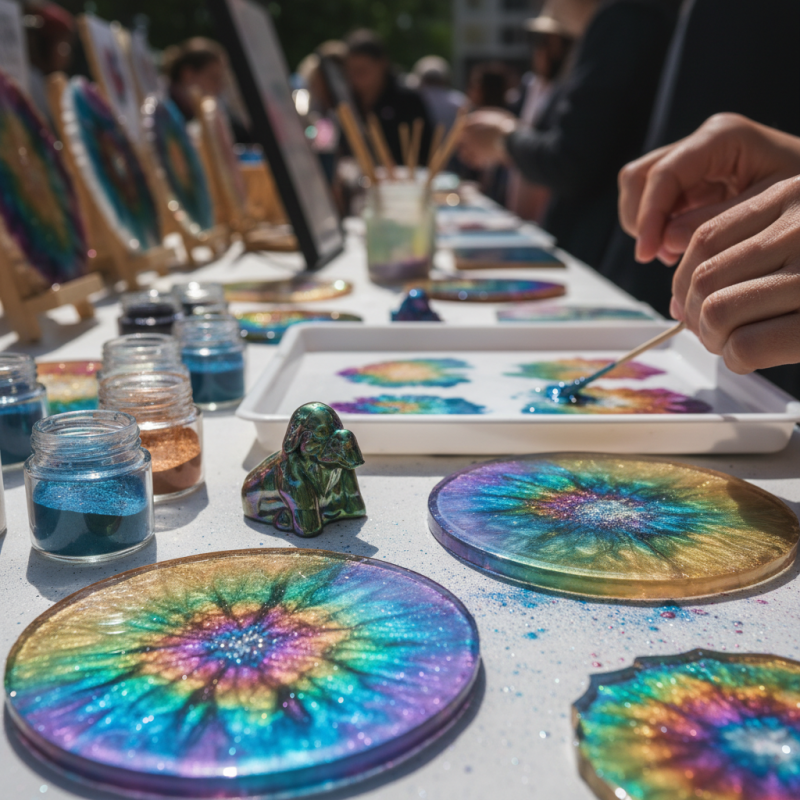
Accessibility is a challenge for many crafters. Despite Chameleon Mica Powder’s popularity, not all suppliers offer high-quality options. Craft fairs and events play a crucial role in bridging this gap. They allow shoppers to experience the product firsthand. The use of advanced technologies, like AI for improved supply chain management, is paving the way for enhanced availability of high-quality materials.
Understanding Chameleon Mica Powder: Properties and Benefits
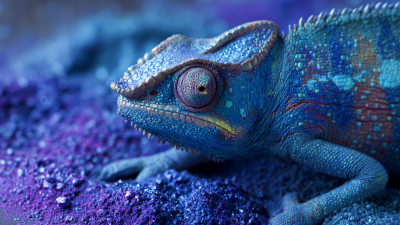
Chameleon mica powder is a unique material that adds depth to any craft project. It shifts color when viewed from different angles, creating a stunning visual effect. This powder is finely milled, making it perfect for various applications, such as resin art, cosmetics, and pottery. Its shimmering quality can enhance your creations significantly.
One of the properties of chameleon mica powder is its ability to reflect light. This gives your projects a dynamic appearance. It is non-toxic and safe for many uses, which is an advantage for crafters. However, achieving the desired effect may require practice. Mistakes can happen, and that's okay. Embrace the process and learn from it.
Tips: Mix the powder with a clear medium for better color retention. Test different ratios to find what works best for your project. Don’t be afraid to experiment. Your first attempt may not be perfect, but each step is a learning experience. Keep trying, and you'll see improvement over time.
Selecting the Right Type of Chameleon Mica Powder for Your Project
When selecting chameleon mica powder for your project, consider its color shift. Each type exhibits a unique blend of shades that change in light. For instance, some mica powders shift from blue to green, while others may transition from pink to gold. Your choice should reflect the desired effect and mood of your craft.
Experimentation is key. Don’t hesitate to mix colors to create new shades. Sometimes the results are unexpected, leading to unique finishes. But be cautious; mixing too many colors can create muddiness. Start with small amounts to see how the colors blend. A bit of trial and error is part of the fun.
Also, consider the application method. Chameleon mica powder works brilliantly in resin, paint, or even as a topping. However, it may not always yield the desired outcome. Some application techniques may lose the color shift effect. Test different methods to find what works best for you. Embrace the process, including the mistakes, to enhance your crafting journey.
Step-by-Step Guide to Mixing Chameleon Mica Powder with Mediums
Chameleon mica powder offers a unique visual appeal for various craft projects. To achieve stunning results, mixing it properly with mediums is essential. Begin by sourcing high-quality chameleon mica powder. Various studies indicate that color-shifting pigments can enhance the perceived value of craft items by over 30%.
When blending mica powder with mediums, consider the ratio carefully. A common approach is using one part mica to three parts medium. This creates a vibrant effect without overwhelming the base. Use a clear resin or acrylic medium to maintain the powder's luster. Remember, consistency is key; uneven mixing can lead to disappointing and unpredictable outcomes.
Experimentation often leads to unexpected results. Some crafts may require more or less mica. For instance, adding too much can dull the overall finish. It's essential to test small amounts first. Observing the effects on various surfaces can reveal surprising insights. Reflecting on these outcomes helps refine techniques and elevate your craft projects to new heights.
How to Use Chameleon Mica Powder for Stunning Craft Projects
| Project Type |
Mica Powder Color |
Medium Used |
Mixing Ratio |
Recommended Use |
| Resin Art |
Blue-Violet Shift |
Epoxy Resin |
1:3 (Mica to Resin) |
Create stunning coasters or art pieces |
| Soap Making |
Green Gold |
Cold Process Soap |
1 tsp per lb of soap base |
Add vibrant colors to natural soaps |
| Painting |
Red-Orange Shift |
Acrylic Medium |
1:2 (Mica to Medium) |
Enhance paintings with a shimmering effect |
| Nail Art |
Purple-Blue Shift |
Nail Polish Base |
¼ tsp per bottle |
Create unique nail designs with shimmer |
| Crafting |
Gold-Red Shift |
Clear Glue |
1:4 (Mica to Glue) |
Personalize craft items with sparkle |
Techniques for Application: Tips for Stunning Craft Results
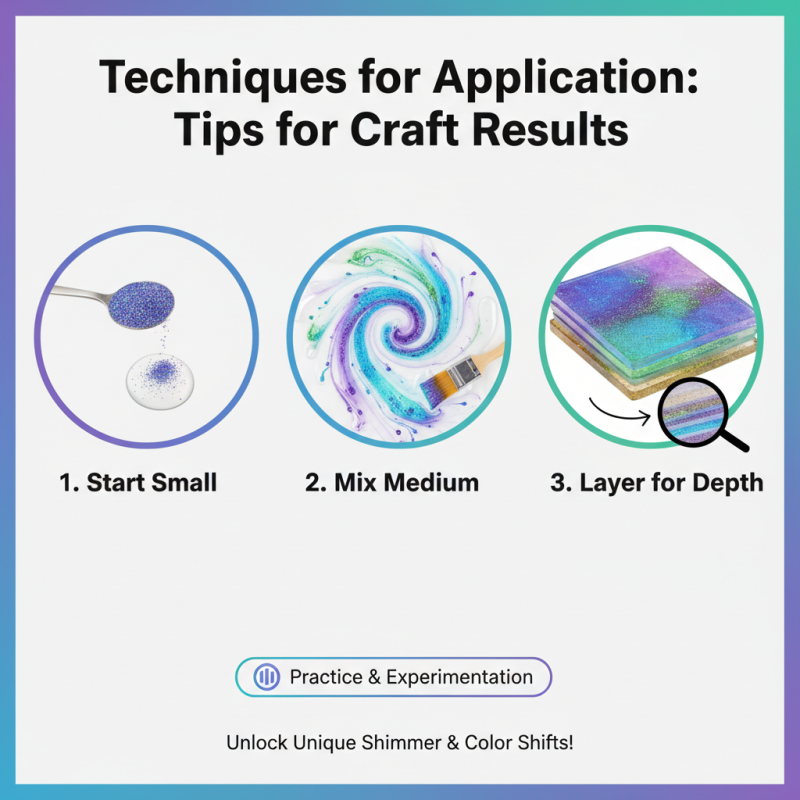
Chameleon mica powder adds a unique shimmer to craft projects. Its color-shifting properties create depth and intrigue. For beginners, start with a small amount. Mix it with clear glue or resin. The results can be striking. However, achieving the right consistency may take practice. Too much mica can overpower a design.
When applying mica powder, use a soft brush for gentle distribution. This method helps avoid clumping. Dry brushing techniques also work well. Imagine a landscape where colors shift with the light. That’s the goal here. Remember, perfection isn't always achievable. Sometimes, the unexpected results bring creativity.
Experiment with layering to build a richer effect. Apply one color, let it dry, then add another. This technique may lead to unforeseen outcomes. Embrace those happy accidents; they can inspire new ideas. Don’t hesitate to mix mica with other materials, like paint or polymer clay. The possibilities are endless, yet there's room for learning. Each project is a step towards mastery.
Safety Precautions and Best Practices When Working with Mica Powders
When using mica powders, safety precautions are paramount. Mica is a naturally occurring mineral, but it can become a hazard if inhaled. Research indicates that fine mica particles can irritate the respiratory system. Always work in a well-ventilated area. A mask is advisable.
Wear gloves to protect your skin from irritation. Some users report sensitivity to mica. This is a reminder to test how your skin reacts before engaging in larger projects. Remember, even natural materials can pose risks.
Tip: Keep your workspace clean. Clean up spills promptly to avoid slipping. Also, consider using a large container for mixing. This keeps dust from dispersing into the air.
Limit your exposure to excess mica dust. Working on projects outdoors can help reduce dust inhalation. Consider mixing in smaller amounts. This minimizes the overall exposure while still allowing creativity to flourish.
Stay aware of signs of overexposure. If you notice persistent coughing or irritation, stop immediately. Personal safety is key in crafting, enhancing your enjoyment of the process.
Usage of Chameleon Mica Powder in Craft Projects