How to Use Chameleon Powder Pigment for Stunning Crafts?
Chameleon Powder Pigment is a remarkable material for crafters seeking unique effects. This pigment creates stunning visual transformations, catching the light in breathtaking ways. Using Chameleon Powder Pigment can elevate your crafts from ordinary to extraordinary. It offers a range of colors that shift and glow, providing endless creative possibilities.
However, mastering its use requires some practice. Applying too much can lead to an overwhelming result. Finding the right balance is key. Experimentation can lead to unexpected but captivating outcomes. Take your time to understand how the powder interacts with different surfaces. Each application can teach you something new.
Create stunning crafts with confidence while acknowledging the learning curve. Embrace imperfections as part of your crafting journey. The beauty of Chameleon Powder Pigment lies not just in its finish but in the process of discovery.
What is Chameleon Powder Pigment and Its Unique Properties?
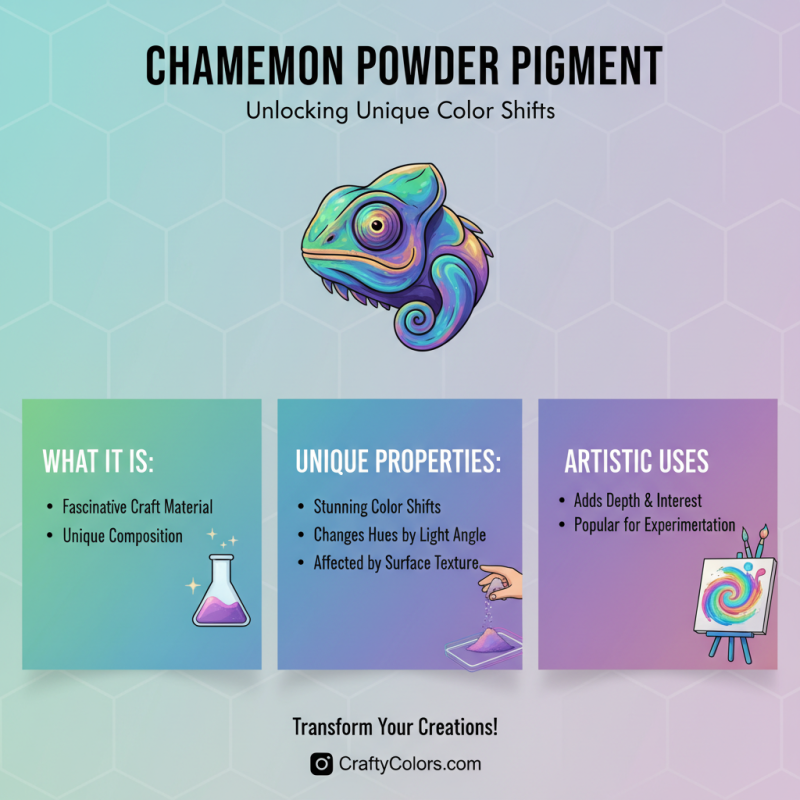
Chameleon powder pigment is a fascinating craft material. It has a unique composition that creates stunning color shifts. This powder can change hues based on the light angle and surface texture. This effect adds depth and interest to your crafts. Many artists enjoy experimenting with it.
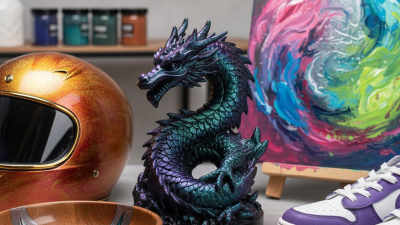
One notable trait of chameleon powder is its versatility. It works well on various surfaces, including resin, glass, and paper. This allows for a wide range of applications. You can use it in jewelry making, home decor, and even nail art. Each application brings out new dimensions that captivate viewers.
When using chameleon powder, here are some tips. Start with a small amount to test the effect. Mixing it with a clear medium can enhance its color brilliance. If the powder doesn't adhere well, consider using a primer. This can improve the finish and durability. Don't be afraid to mix colors; experimenting is part of the fun. A little trial and error can lead to breathtaking results.
Essential Tools and Materials for Working with Chameleon Powder Pigment
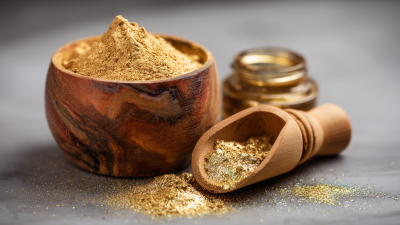
When working with chameleon powder pigment, having the right tools and materials is crucial. Start with a collection of containers for mixing. Clear jars or small bowls allow you to see color changes easily. Use a palette knife for precise application. This tool helps create unique textures in your crafts.
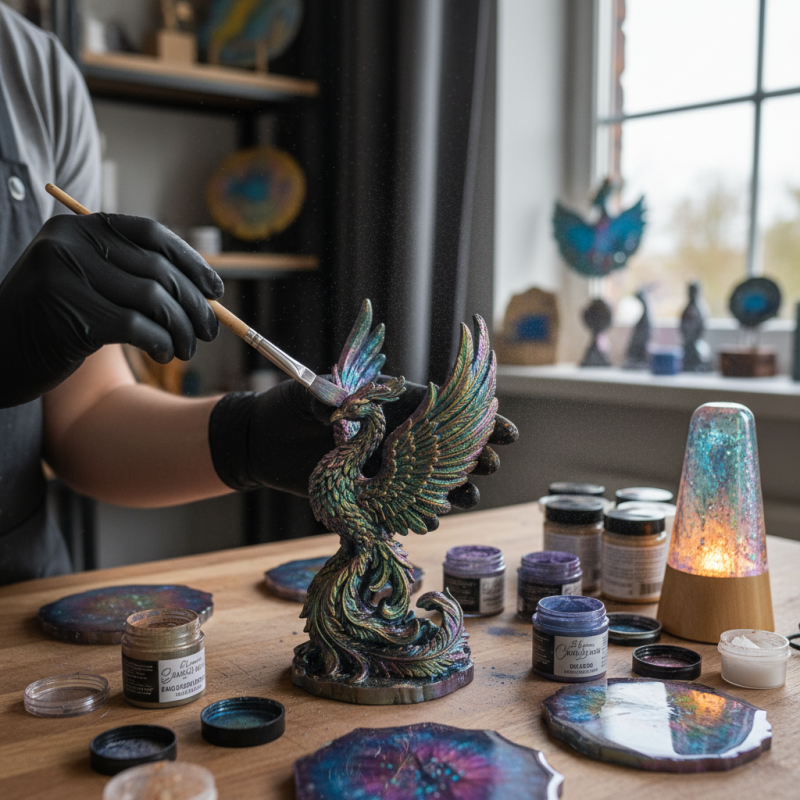
Quality paint brushes are essential too. Opt for both flat and round brushes. The flat brushes work well for large surfaces, while round ones are perfect for details. Don't forget to include gloves. Chameleon powder can be messy. Protect your hands for a better crafting experience.
Experimentation is key. You may find that not every blend works perfectly. Some combinations can be disappointing. Keep adjusting and documenting what you learn. It’s all about finding the right balance of color and technique. Working with chameleon powder can be rewarding, but it often requires patience and practice. Enjoy the creative process!
Step-by-Step Guide to Applying Chameleon Powder on Different Surfaces
Chameleon powder pigment is a unique material that can elevate your crafts. Applying it correctly is crucial for achieving stunning effects. Start with a clean surface. Dust off any dirt or debris. A smooth base will help showcase the iridescent colors.
For wooden surfaces, use a brush to apply a primer. Once dry, sprinkle the chameleon powder over the area you want to decorate. Press gently to ensure adherence. The magic happens when you tilt the piece in light, revealing vibrant color shifts. On metal surfaces, apply a layer of adhesive first. Then, use a soft cloth to buff the chameleon powder into the metal. This method enhances durability and depth.
Don't forget about experimenting! Test small areas before committing. Sometimes the colors may not blend as expected. Take notes on what works best. Learning from these trials helps refine your technique. Your craft may not turn out perfect every time, and that’s okay. Embrace the imperfections; they often lead to unique designs.
Creative Craft Ideas that Utilize Chameleon Powder Pigment
Chameleon powder pigment is a fascinating material for crafters. Its color-shifting properties can elevate ordinary projects into eye-catching masterpieces. Whether you’re painting, resin crafting, or creating unique embellishments, this pigment adds depth and dimension.
A great idea is to mix chameleon powder with resin for stunning coasters. The shifting shades will mesmerize your guests. Pour the resin as you normally would, then sprinkle the pigment in varying amounts. Experimentation is key. You may unintentionally create a beautiful gradient effect.
For painting, try using a sponge to apply chameleon powder on surfaces. This method offers a soft, blended look. A light coat can create a subtle shimmer, while multiple layers can give a bolder finish. Keep in mind that this can be a process of trial and error.
Tips: Always test on small sections first. Different materials react differently with the pigment. Also, remember that lighting affects how colors appear. What looks stunning in daylight may look dull under artificial light. Embrace imperfections. Sometimes, unexpected results can lead to innovative designs.
Tips for Achieving the Best Results with Chameleon Powder Crafts
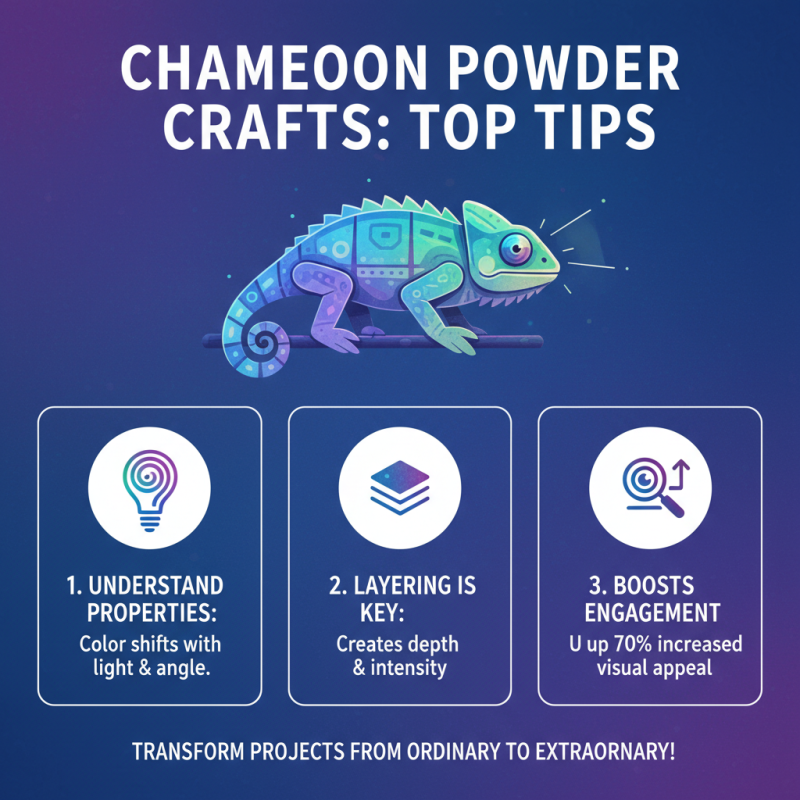
When working with chameleon powder pigment, achieving stunning results involves understanding its unique properties. This pigment layers colors that shift based on light and angle. Studies indicate that crafts incorporating such pigments can increase visual engagement by up to 70%. Thus, using chameleon powder can elevate any creative project from ordinary to extraordinary.
To maximize the effects, it's crucial to layer the powder correctly. Applying a base coat first provides a stronger foundation. The contrast helps the chameleon effect stand out. Experimenting with different base colors can yield unexpected results. Keep in mind that oversaturation can dull the pigment's brilliance. Adjust the amount used carefully to avoid this common mistake.
Ensure the workspace is well-lit and clean, as dust can affect the finish. Professional crafters recommend using gloves during application to prevent these imperfections. Testing on scrap materials before the final project allows for adjustments. Remember, sometimes the best results come from trial and error. This approach fosters creativity and improvement in your technique.