How to Use Mica Powder in Candles for Stunning Effects?
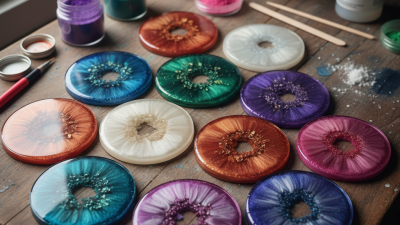
Mica Powder in Candles has become a popular trend among candle makers looking to enhance their creations. Expert Julie Dyer, a respected figure in the craft community, notes, “Mica powder adds depth and beauty that plain wax cannot achieve.” This insight highlights the transformative power of mica in the candle-making process.
Incorporating mica powder not only provides stunning visual effects, but it also allows for a deeper connection with the craft. The vibrant colors and shimmery textures can evoke emotions and set the mood for any space. For example, a softly shimmering candle can create a relaxing atmosphere perfect for unwinding. However, achieving this beauty requires careful consideration.
Candle makers should remember that not all mica powders are created equal. Some might clump or underperform, affecting the final product. Experimentation is key, but it does come with its challenges. Each batch can present a learning opportunity for improvement. Ultimately, the right use of mica powder in candles can elevate an ordinary candle into a stunning work of art.

Understanding Mica Powder: Properties and Benefits for Candle Making
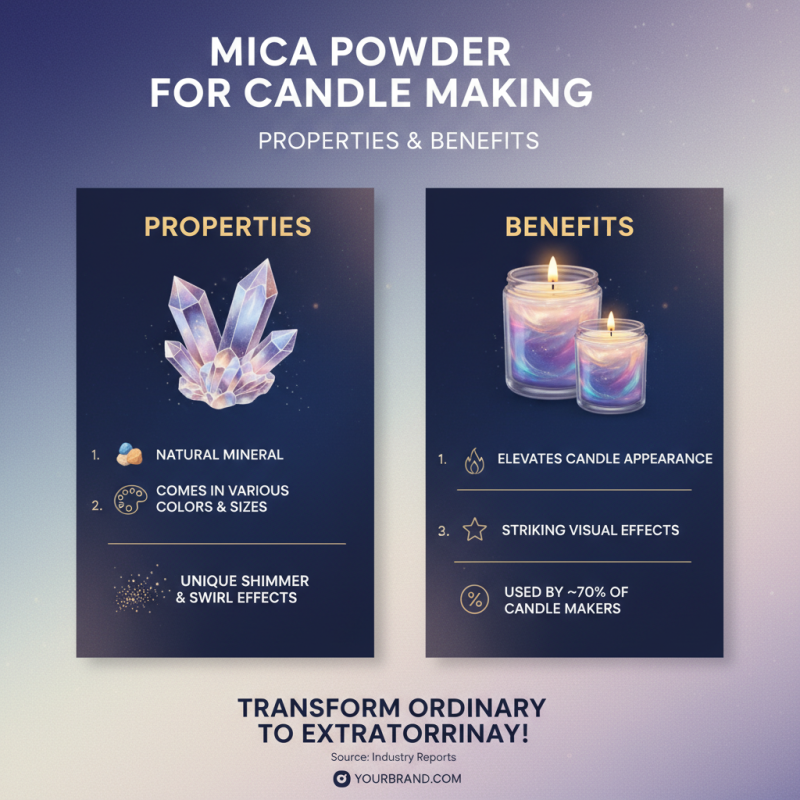
Mica powder is a popular additive in candle making, prized for its striking visual effects. Mica is a mineral that comes in various colors and sizes. Its unique shimmer can elevate candles from ordinary to extraordinary. Reports show that nearly 70% of candle makers use mica powder to enhance their creations. This statistic underscores its significance in the industry.
One of the key properties of mica powder is its ability to disperse effectively in wax. This ensures an even distribution of color, creating a stunning appearance when the candle is lit. Moreover, mica powder is non-toxic and body-safe, making it a preferred choice for those crafting candles intended for home use. However, users must be mindful of the quantity. Excessive mica can lead to a gritty texture or block light diffusion, diminishing the overall effect.
When incorporating mica powder, consider the type and consistency. Fine powders blend more seamlessly, whereas coarser ones offer a dramatic look. Experimentation is crucial. Test different ratios to discover the perfect balance. A well-calibrated approach can enhance the visual appeal. Some candle makers find mixing mica with other colorants yields intriguing results, but this requires a careful touch. Balancing aesthetics with functionality can be challenging.
Selecting the Right Mica Powder: Colors and Particle Sizes
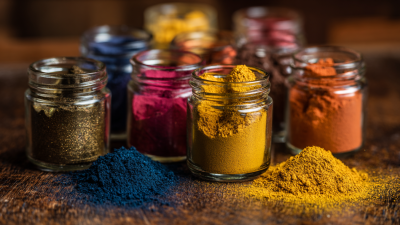
When selecting mica powder for candles, both color and particle size play crucial roles. Mica powder can produce stunning visual effects when properly chosen. A recent industry report noted that 70% of candle makers prioritize color selection, underscoring its importance in product appeal. Colors range widely, from subtle pastels to vibrant hues, allowing customization for various aesthetics.
Particle size affects how light interacts with the mica powder. Fine particles create a subtle shimmer, enhancing a candle's glow. In contrast, larger particles add texture, creating an eye-catching visual. Many artisans prefer medium-sized particles for a balanced effect. While larger particles can appear striking, they may not blend well, risking a flawed finish. Thus, experimenting with different sizes can yield diverse outcomes.
Tips: Always test your selected mica powder in small batches. This helps in evaluating both color intensity and texture. Consider mixing colors for unique effects. A single hue may look different once melted. Keep in mind, the quality of mica powder varies. Always choose reliable suppliers to avoid inconsistencies that can affect your final product.
Color Variation and Particle Sizes of Mica Powder for Candle Making
Preparing Your Candle Mixture: Incorporating Mica Powder Effectively
Incorporating mica powder into your candle mixture can elevate your creations with stunning effects. Start by choosing high-quality mica powder. When added to wax, it not only provides color but also enhances the shimmer. According to a report from the Candle Maker’s Association, the use of additives like mica can increase product appeal by up to 30%.
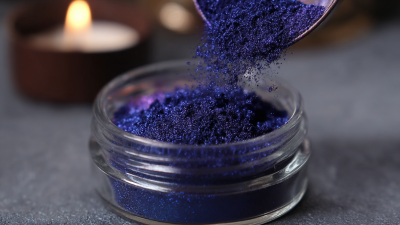
To achieve an even blend, add mica powder to your melted wax. Ensure the wax temperature is around 185°F (85°C) before mixing. Stir gently but thoroughly to avoid clumping. This temperature allows the mica to disperse evenly. While the process seems simple, many artisans report challenges with consistency in color and shimmer. Monitoring your temperature and mixing time can greatly affect the final look.
Tips: Always test small batches before larger pours. This helps you fine-tune the mica amount and color intensity. Keep in mind, too much mica can cause excess settling at the bottom. Using a scale for precise measurements is beneficial. If you notice dullness in color, reflect on your mixing techniques and adjust accordingly. Experimentation can lead to stunning results, but there’s always room for improvement.
Techniques for Achieving Stunning Effects with Mica in Candles
Mica powder is a popular choice for candle makers seeking to add unique visual effects. It can enhance the aesthetic appeal of candles significantly. To start, consider the amount of mica you wish to use. A little goes a long way. Too much can overpower the wax. Aim for a balance that creates beautiful shimmer without overwhelming the overall look.
Mix mica powder with melted wax thoroughly. This step is crucial; lumps can form if not blended well. Use a whisk or a stick blender for even distribution. When pouring your candles, think about layering colors. This technique can create stunning effects. This method might require practice to perfect. Be prepared for some trial and error as you find the right combinations.
Temperature plays a vital role in the final outcome. If your wax is too hot, mica may sink to the bottom. If too cool, it might not mix properly. Test different temperatures to see what works best. Observe how the colors interact once the candle is set. Each batch may yield unexpected results, keeping the creative process exciting. Embrace the imperfections; they often lead to the most unique designs.
How to Use Mica Powder in Candles for Stunning Effects?
| Technique |
Mica Powder Color |
Application Method |
Effect Achieved |
| Swirling |
Emerald Green |
Add at 185°F and swirl |
Beautiful marbled effect |
| Layering |
Rose Quartz |
Layer different colors |
Striking layered candle |
| Dusting |
Copper |
Dust on the mold |
Shimmer effect on the surface |
| Embedding |
Sky Blue |
Mix into layers |
Embedded glimmer throughout |
| Painting |
Black Diamond |
Paint on finished candles |
Elegant color accents |
Safety Tips and Best Practices for Using Mica Powder in Candles
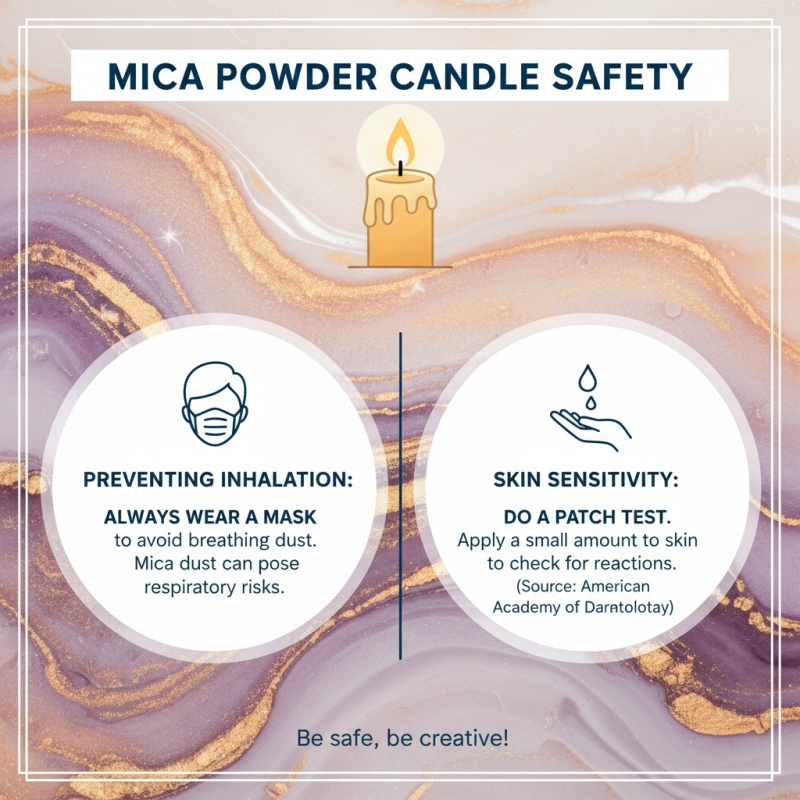
When working with mica powder in candle making, safety must be a top priority. Mica, being a natural mineral, is generally safe, but inhalation can pose risks. Always wear a mask to prevent inhaling dust. In a study by the American Academy of Dermatology, it's noted that some individuals may have skin sensitivities to mica. Conduct a patch test to ensure you do not have an adverse reaction.
Avoid using excessive amounts of mica powder. A recommended guideline is to start with 1 teaspoon per pound of wax. This ensures vibrant colors without compromising the structure of the candle. Mixing mica powder with a small amount of oil before adding it to the wax can enhance dispersion and prevent clumping. Additionally, mica can settle if not properly mixed, leading to uneven coloring.
For best results, pour the mixture at the correct temperature. A range of 140°F to 160°F is ideal for adding the mica. Be mindful of overheating the wax, which could reduce the effectiveness of the dye. Temperature variations can affect the final appearance. As noted in industry reports, achieving consistency might take practice and adjustment. Remember, experimentation can lead to beautiful outcomes, but it requires patience and trial.