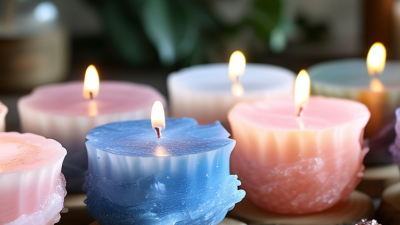
How to Use Mica Powder in Candles for Stunning Effects?
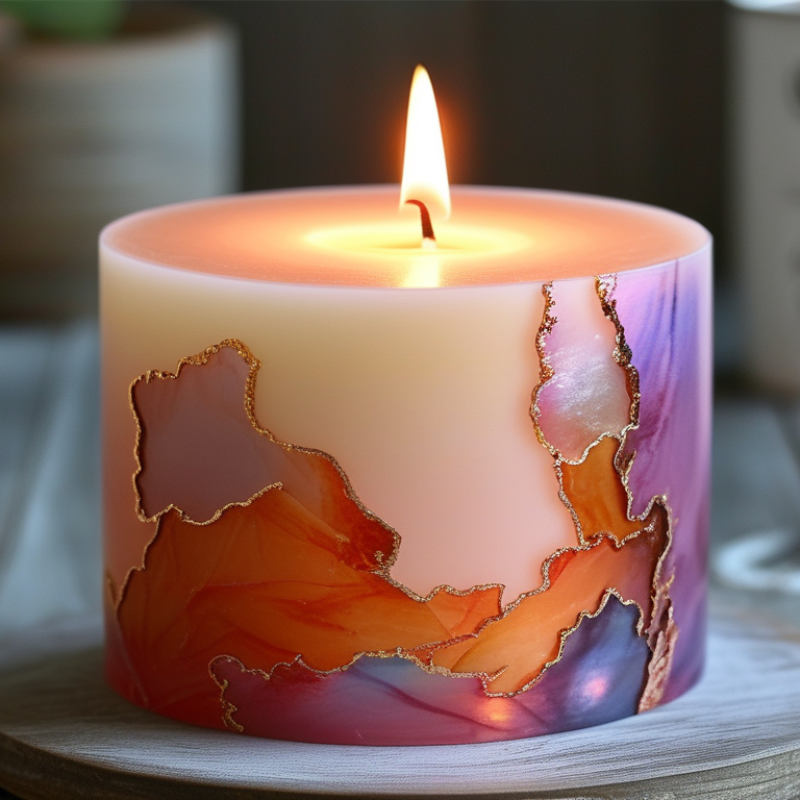
Mica Powder in Candles is a hot topic among candle makers today. Renowned expert Sarah Johnson, a leading figure in the candle crafting community, once said, “Mica powder elevates the art of candle making to a new level.” This highlights how mica can transform an ordinary candle into a stunning centerpiece.
When used skillfully, mica powder can create mesmerizing effects through shimmering colors. Adding mica powder to your candles can enhance not only their beauty but also their uniqueness. However, achieving the perfect balance is crucial. Too much mica can overpower the design, while too little may go unnoticed. Experimentation is key.
As you delve into using mica powder in your candles, consider its properties and potential challenges. Are your desired effects realistic? Are you prepared for the trial and error process? These reflections can guide you toward creating visually stunning candles that impress and inspire.
Understanding Mica Powder and Its Benefits for Candles
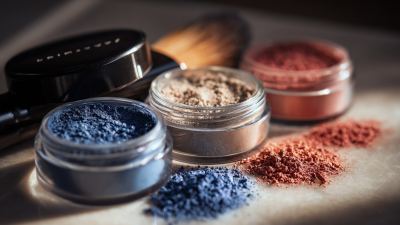
Mica powder is a natural mineral used in candle making. Its shimmering qualities create eye-catching effects. This powder is non-toxic and comes in various colors. It can enhance both the visual appeal and the overall quality of your candles.
When using mica powder, a little goes a long way. You can mix it directly into your melted wax. Just one teaspoon can transform a batch. However, be mindful of overuse. Too much mica can result in a grainy texture. It's crucial to experiment. Each batch reacts differently to the amount of mica added.
The benefits of using mica powder extend beyond aesthetics. It can improve the candle burning experience. Candles may burn more evenly and provide a longer-lasting scent throw. Additionally, the radiant colors can elevate your home decor. Still, achieving the perfect blend requires practice and patience. The learning process is valuable for any candle maker.
How to Use Mica Powder in Candles for Stunning Effects?
| Property |
Description |
Benefits |
| Color Variety |
Mica powder comes in a wide range of colors. |
Allows for creative and vibrant candle designs. |
| Non-Toxic |
Made from natural minerals. |
Safe for use in candles, ideal for home use. |
| Heat Resistance |
Holds its color under heat. |
Ensures colors remain vibrant during burning. |
| Sparkling Effect |
Shimmer finish when added to candles. |
Creates eye-catching visual effects. |
| Easy to Use |
Can be mixed easily into wax. |
Simplifies the candle-making process. |
Selecting the Right Mica Powder for Your Candle Project
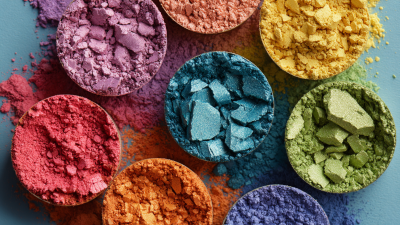
When selecting mica powder for your candle project, consider both color and texture. Mica comes in various shades, from earthy tones to vibrant hues. Each type can influence the final appearance of your candles. Choose colors that resonate with your theme. For example, gold or copper can add a touch of elegance, while vibrant blues and pinks create a lively effect.
Another aspect to consider is the particle size of the mica powder. Fine mica blends seamlessly, creating a smooth finish. Coarse mica can provide an interesting texture but might settle at the bottom. Experimentation is key. Mix different sizes and colors to see how they react in candle wax. This trial-and-error process can lead to unexpected, beautiful results.
Keep in mind that not all mica powders are created equal. Always check the ingredients to ensure they are safe for candle-making. Some powders contain additives that could affect burning or produce harmful fumes. It’s essential to do your research and source high-quality materials. Remember, the goal is to create stunning effects while prioritizing safety and quality.
Step-by-Step Guide to Incorporating Mica Powder into Candles
Mica powder adds a beautiful shimmer to candles. This step-by-step guide shows how to incorporate it effectively. The first step is to choose high-quality mica powder. Not all mica is created equal. According to a study by the National Candle Association, pigment quality can significantly affect the color and aesthetic of the candle.
Next, mix mica powder with your wax. Use approximately one teaspoon of mica powder per pound of wax. It's important to note that too much mica can lead to uneven distribution, creating patchy effects. Stir the mixture thoroughly to avoid clumps. A smooth texture helps achieve that stunning look you desire.
Finally, pour your blended mixture into the candle mold. Allow it to set properly. Timing is crucial; if you pour too soon, the mica may not settle properly. Some makers find that they need to adjust their techniques after several attempts. Experimenting will help you master the art of using mica powder. This process can enhance your candle-making skills, ensuring each piece is unique and visually appealing.
Creating Unique Candle Designs with Mica Powder Techniques
Mica powder can transform ordinary candles into spectacular works of art. By adding this versatile pigment, you can create stunning visual effects. Begin by selecting a mica powder shade that complements your candle wax. It's essential to test different combinations. Some colors blend beautifully, while others might not yield the desired result.
Sprinkling mica powder directly into the melted wax is a simple technique. Stir gently to distribute the color evenly. However, achieving uniformity can be tricky. Not all particles dissolve the same way. Some may settle at the bottom, so keep an eye on your mixture. You might need to adjust the amount used for optimal results.
Layering techniques add depth to your candles. Pour wax in stages, adding mica for each layer. This method creates a beautiful gradient effect. Remember, practice helps refine your approach. Each experiment reveals what works best for you. Consistency may vary. Embrace the imperfections, as they often lead to unique candle designs that reflect your style.
Common Mistakes to Avoid When Using Mica Powder in Candles
When incorporating mica powder into candle making, avoiding common mistakes is crucial for achieving stunning effects. One frequent pitfall is the improper mixing ratio of mica powder to wax. According to industry reports, optimal results are often achieved with 1-3% mica powder by weight. Too much mica can lead to a clumpy texture or poor scent throw. Mica should be blended thoroughly to ensure an even distribution before pouring the wax.
Another mistake is neglecting the importance of temperature control. Mica powders are sensitive to heat. Pouring melted wax that is too hot can degrade the particles, resulting in a dull appearance rather than the desired shimmer. Ideally, the ideal pouring temperature for wax should be between 140°F to 160°F (60°C to 71°C). It's wise to measure this carefully to preserve the visual impact.
Lastly, wrong color choices can detract from the candle's aesthetics. Mica powder comes in a variety of shades. Selecting colors that do not match the fragrance can create an off-putting experience for users. Research shows that about 70% of consumers are attracted to candles by their color and scent harmony. Therefore, thoughtful selection is key for overall appeal.
How to Use Mica Powder in Candles for Stunning Effects
This bar chart illustrates the visual impact of different percentages of mica powder used in candle-making. As the percentage of mica increases, the visual effect enhances until it becomes overwhelming beyond a certain point, highlighting the importance of moderation in usage.