Inquiry
Form loading...

What Is the Best Pigment Powder for Epoxy from China?

Choosing the best Pigment Powder For Epoxy from China requires more than comparing color cards or factory prices. The right powder must disperse evenly, remain chemically stable, and preserve its appearance after curing. A bright sample can still produce cloudy resin, weak coverage, or unexpected settling.

Peter K. T. Oldring, a respected coatings-resin specialist and author, emphasized a practical principle: “The performance of a coating depends on the compatibility of all its components.” This idea is especially important for epoxy projects. Pigment chemistry, particle size, surface treatment, and resin formulation must work together. A supplier with clean production areas, consistent batch records, technical data sheets, and traceable testing deserves closer attention.

Look beyond the color.

A reliable evaluation begins with a small sample. Mix the pigment into clear epoxy using the intended ratio, then inspect the paste under strong light. Check for streaks, floating particles, sediment, bubbles, and uneven curing. Test a thin layer and a deeper pour. Some powders look excellent in a brochure but become dull after exposure to sunlight or heat.

The best Chinese supplier should explain compatibility with your resin system. Ask about heat resistance, lightfastness, moisture control, heavy-metal compliance, and recommended loading levels. Independent test reports add confidence, although paperwork is not proof of perfect performance. I have learned that even experienced buyers can overtrust polished samples. A second batch may behave differently. Therefore, repeat testing remains necessary.

This guide examines pigment types, supplier credibility, performance tests, and purchasing risks. It also considers metallic, pearlescent, fluorescent, and custom-matched options. The final choice should balance appearance, stability, technical support, and long-term consistency—not price alone.
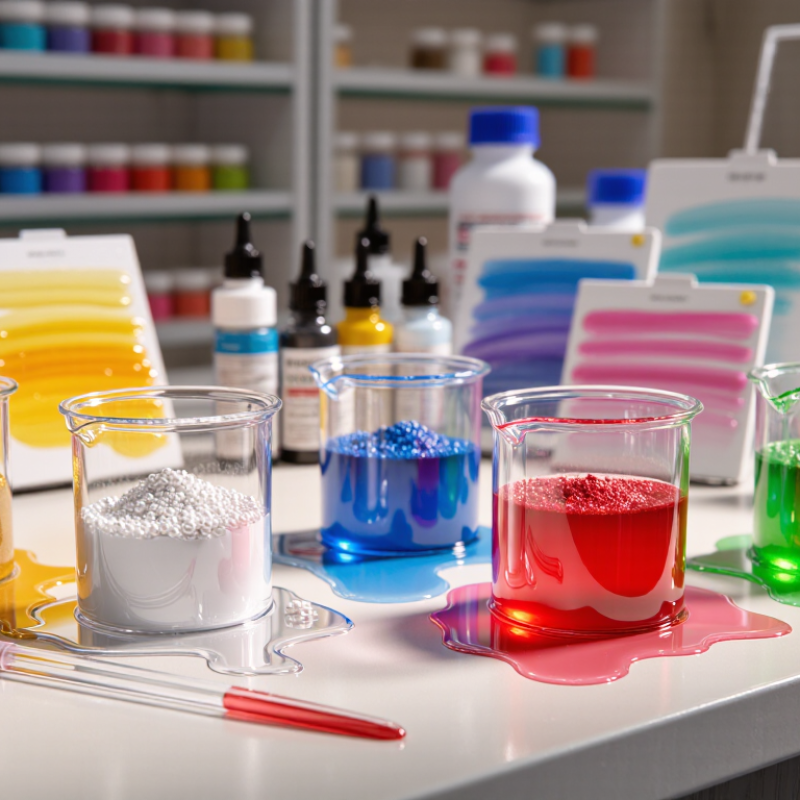
What Is the Best Pigment Powder for Epoxy from China?

What Is Pigment Powder for Epoxy?

What Is the Best Pigment Powder for Epoxy from China?

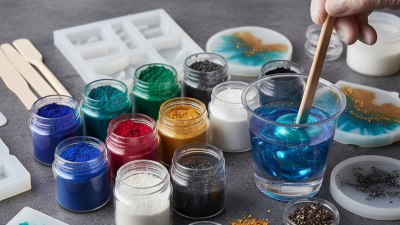
Pigment powder for epoxy is a dry, concentrated colorant mixed into liquid resin before curing. It is not the same as ordinary craft powder. Good powder should disperse evenly, resist fading, and remain stable during curing. Common types include organic pigments, inorganic pigments, mica-based powders, and pearlescent particles. Each creates a different surface effect, from solid color to soft metallic shimmer.

Industry reports show why this material matters. MarketsandMarkets projects the global epoxy resin market to grow from about USD 12 billion in 2024 to more than USD 17 billion by 2029. More resin use also increases demand for reliable color systems. However, a larger market does not guarantee better pigment quality. Check particle size, moisture content, oil absorption, heat resistance, and lightfastness. ISO 787 test methods can help evaluate pigment properties, while ASTM D2244 supports color-difference measurement. A supplier’s test sheet is useful, but I would not trust one sheet alone.

Tips: Start with 0.5% pigment by weight. Increase slowly. Mix a small test batch first. Watch for clumping, dullness, or unexpected settling. A pigment may look bright in the container but turn cloudy in deep epoxy. That happened in one of my early tests. Also check whether the powder changes curing time. Some powders disperse beautifully, yet weaken transparency or leave a gritty surface. A small cured sample reveals more than a color chart.
Which Pigment Types Are Best for Epoxy Resin?

What Is the Best Pigment Powder for Epoxy from China?

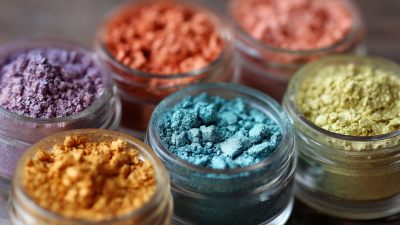
The best pigment depends on the finish, depth, and working time you need. Mica powder is a practical choice for pearlescent effects and flowing color. Its fine particles catch light without making resin look completely flat. For solid coverage, mineral oxide pigments usually perform better. They create strong red, yellow, brown, black, or white shades. Titanium dioxide can produce a clean white, but excessive powder may reduce clarity and weaken the cured surface.

I have found that particle size matters as much as color strength. Very coarse powder can settle at the bottom of a mold. Ultra-fine powder disperses smoothly, yet it may create a thicker mixture. A sensible starting point is about 0.5% to 2% pigment by resin weight. Mix a small test batch before filling a large mold. Watch for clumps, color separation, and changes in curing time. Do not trust the sample card alone.

Fluorescent and thermochromic powders can add unusual effects, but they require careful testing. Their appearance may change under different lighting or temperatures. I once selected a vivid powder that looked dull after curing. The mistake was relying on wet color. A reliable supplier should provide batch details, particle information, safety data, and resin compatibility guidance. Ask for a sample and test it for several days. The “best” pigment is the one that remains stable, disperses evenly, and matches the cured result you actually need.

What Is the Best Pigment Powder for Epoxy from China?

For epoxy resin, the best pigment depends on the desired finish. The chart compares common pigment types using practical ratings for opacity, UV stability, dispersion, and color intensity. Ratings are typical material-performance comparisons on a 1–5 scale, not brand-specific laboratory results.

Key takeaway: Titanium dioxide offers the highest opacity, iron oxides provide strong UV stability and reliable dispersion, mica pigments create metallic or pearlescent effects, and organic pigments generally deliver the strongest color intensity. Fluorescent pigments are vivid but usually have lower UV stability for long-term outdoor applications.

How Do Chinese Pigment Powders Compare in Quality?

Chinese pigment powders can be highly consistent, but quality depends more on grade control than country of origin. Grand View Research valued the global pigments market at about USD 25 billion in 2023, with steady growth expected through 2030. That scale reflects strong manufacturing capacity, including China’s extensive colorant supply chain.

For epoxy, compare tinting strength, particle size, moisture content, lightfastness, and heat stability. A useful supplier sample should disperse smoothly in a small resin cup, without visible specks or floating color after curing. Testing can follow ISO 787-9 for relative tinting strength and ASTM D2244 for color difference. In practice, a pigment that looks brilliant in powder form may become dull after mixing. That detail is often missed.

Chinese powders can offer excellent color intensity and competitive batch pricing. Yet results vary between factories, even when the color code looks identical. Request a technical data sheet, batch sample, and retained reference sample. Check the cured panel after one week, not only after 24 hours. I would also test sunlight exposure and humidity. A lower-cost powder may pass a quick visual check but show migration or fading later. My own caution is simple: laboratory numbers help, but a real epoxy panel reveals weaknesses faster.

What Is the Best Pigment Powder for Epoxy from China? — How Do Chinese Pigment Powders Compare in Quality?
Pigment Powder Type Color Strength Opacity Lightfastness Typical Heat Stability Recommended Epoxy Loading Dispersion in Epoxy Best Applications Key Quality Considerations
Mica-Based Pearl Powder Good Translucent to semi-opaque Good Generally suitable for normal epoxy curing temperatures; exact limits depend on the coating treatment. Approximately 1–10% by weight Very easy Resin art, river tables, jewelry, decorative coatings and metallic effects Check particle-size consistency, surface treatment, color uniformity and the absence of visible agglomerates.
Iron Oxide Powder Very strong High, especially in red, yellow and black grades Excellent Usually high for inorganic grades; verify the supplier’s technical data for the selected color. Approximately 0.5–5% by weight Good Opaque casting, concrete-style finishes, industrial coatings and outdoor decorative work Look for stable shade, low soluble salts, controlled moisture and a published particle-size distribution.
Titanium Dioxide Very strong Very high Excellent High in cured epoxy systems when an appropriate rutile or anatase grade is selected. Approximately 1–10% by weight Good White opaque backgrounds, marble effects, primers and light-colored epoxy surfaces Rutile grades generally provide stronger opacity and outdoor durability; check undertone, oil absorption and dispersion behavior.
Organic Synthetic Pigment Very strong Transparent to semi-opaque, depending on chemistry Moderate to excellent Varies considerably by pigment chemistry; confirm the temperature rating before use. Approximately 0.1–3% by weight Variable Bright colors, transparent pours, artistic effects and concentrated tinting Test for migration, bleeding, shade change, curing inhibition and compatibility with the selected epoxy resin.
Ultramarine Blue Good Semi-opaque Good Suitable for normal epoxy processing; excessive heat or acidic conditions may affect performance. Approximately 0.5–5% by weight Good Blue decorative surfaces, artistic resin and colored composite parts Check alkalinity, moisture content, particle size and resistance to acid or chemical exposure.
Carbon Black Extremely strong Very high Excellent Generally high, but the required loading is very low because of its tinting strength. Approximately 0.05–1% by weight Requires thorough mixing Deep black epoxy, conductive formulations and dark industrial coatings Control dust, structure, surface area and dispersion; excessive loading can increase viscosity and affect curing.
Fluorescent Powder Very bright initially Usually semi-opaque Limited to moderate Usually lower than inorganic pigments; confirm the maximum processing temperature. Approximately 1–5% by weight Good Indoor artwork, signage, novelty products and short-term decorative applications Best for interior use unless a verified UV-stable grade is supplied; evaluate fading after UV exposure.
Phosphorescent Powder Good Opaque to semi-opaque Good Typically suitable for standard epoxy curing; avoid unverified high-temperature processing. Approximately 5–20% by weight Moderate Glow-in-the-dark castings, safety markings and decorative resin products Particle size, brightness after charging, afterglow duration and moisture resistance strongly affect final quality.
Aluminum or Metallic Powder Strong High metallic reflectivity Good Depends on particle coating and epoxy formulation; confirm whether the powder is designed for polymer use. Approximately 1–10% by weight Moderate Metallic coatings, industrial parts and reflective decorative finishes Assess particle shape, settling, surface treatment, oxidation resistance and safe handling requirements.

Note: The values shown are typical working ranges for general epoxy applications, not guaranteed specifications. Actual performance depends on pigment chemistry, surface treatment, particle size, resin formulation, mixing method, curing temperature and end-use exposure.

How to compare Chinese pigment powders fairly: Request a technical data sheet and a batch sample, then compare tinting strength, color difference, moisture content, particle-size distribution, oil absorption, heat stability, UV resistance, dispersion, curing compatibility and migration resistance under identical epoxy test conditions. In practice, a well-controlled Chinese grade can perform comparably to other international supply sources, while quality differences are usually associated with formulation control, raw-material consistency, surface treatment and batch-to-batch testing rather than country of origin alone.

How to Choose the Right Pigment Powder for Your Project?

Choosing the right pigment powder for epoxy starts with your project’s final appearance and working conditions. Metallic powders create reflective surfaces, while mica pigments provide softer, layered effects. For solid colors, use highly concentrated powders with fine particles. Check compatibility with your epoxy system before ordering. A pigment that looks vibrant in the container may appear darker after curing.

Ask Chinese suppliers for a sample, technical data sheet, safety information, and batch consistency records. Experienced suppliers should explain recommended dosage, dispersion behavior, heat resistance, and light stability. Test a small batch under your actual mixing conditions. Measure the powder carefully, then observe color changes, settling, bubbles, and curing time after 24 to 72 hours. This simple test often reveals problems that photographs hide. I once underestimated how strongly a dark pigment affected transparency.

Tips: Start with 0.5% to 2% pigment by weight, unless testing suggests otherwise. Add powder gradually and mix slowly to reduce air entrapment. Compare cured samples in daylight and indoor lighting. Request the same batch for larger orders when possible. Confirm packaging is sealed, dry, and clearly labeled. A low price is not useful if the pigment clumps or changes the resin’s performance. Keep written test results, even for small projects. Mistakes are useful, but repeatable mistakes are expensive.

How to Mix and Use Pigment Powder in Epoxy Safely?

The best pigment powder for epoxy from China is not simply the brightest option. Choose a product with clear technical data, stable color, fine particle size, and compatibility with epoxy resin. Ask the supplier for a safety data sheet, recommended loading range, batch information, and a small sample.

Work in a clean, well-ventilated area. Wear gloves, protective eyewear, and a suitable dust mask when handling dry powder. Avoid creating airborne dust. Keep pigment away from food, children, flames, and damp tools. Measure resin, hardener, and pigment by weight whenever possible. Moisture can cause clouding or curing problems.

Start with a tiny test batch.

I usually disperse the pigment into the mixed resin slowly. Low-speed stirring helps reduce bubbles and prevents powder from flying into the air. Scrape the cup and sides carefully. Add pigment in small amounts, because excessive powder may weaken curing or leave a sticky surface. A practical starting point is a low percentage of pigment, followed by a 24-hour curing test.

My first test was too dark and slightly uneven. I had rushed the mixing stage. That mistake showed why sample testing matters. Check color after full cure, not only in the liquid state. Record the pigment weight, resin ratio, room temperature, and curing result. Results can vary between batches, so reliable suppliers and written records are worth the extra effort.