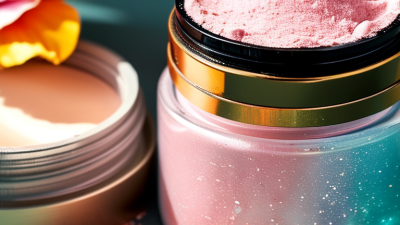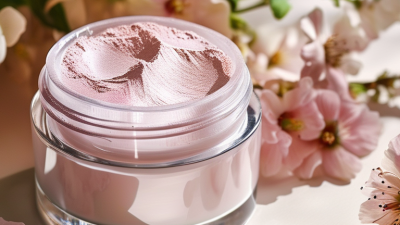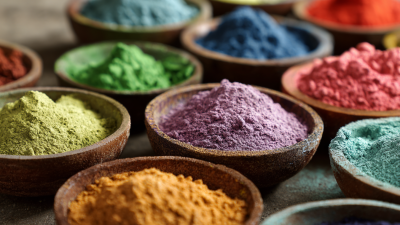
Choosing Mica Powder For Cosmetics is not simply a matter of picking a bright shade. The powder must suit the product, disperse evenly, and create the finish you want. A soft pearl can look elegant in a pressed eyeshadow, yet seem almost invisible in a sheer lotion. Particle size, pigment tone, surface treatment, and the base formula all influence the result.
Cosmetic chemist Perry Romanowski is known for explaining cosmetic ingredients through their function. A practical paraphrase of that ingredient-first approach is: “Choose mica for the effect it delivers in the finished formula, not for its color in the jar.” That distinction matters. A sample that appears warm under a supplier’s studio lights may shift beside a window or on different skin tones. Test small batches under consistent lighting. Check for streaks, settling, rough texture, and unwanted sparkle. Small details count.
Ask suppliers for clear specifications, batch consistency information, and guidance on the intended cosmetic application. Review the ingredient documentation, then test the mica in your own formula; a shade card cannot predict every result. For face products, a fine, smooth feel may matter more than dramatic shine. For eye or body products, stronger shimmer may be appropriate, depending on the design and applicable requirements. There is no perfect mica for every formula. Even careful testing can miss a subtle shift after storage. That is worth admitting—and checking again.
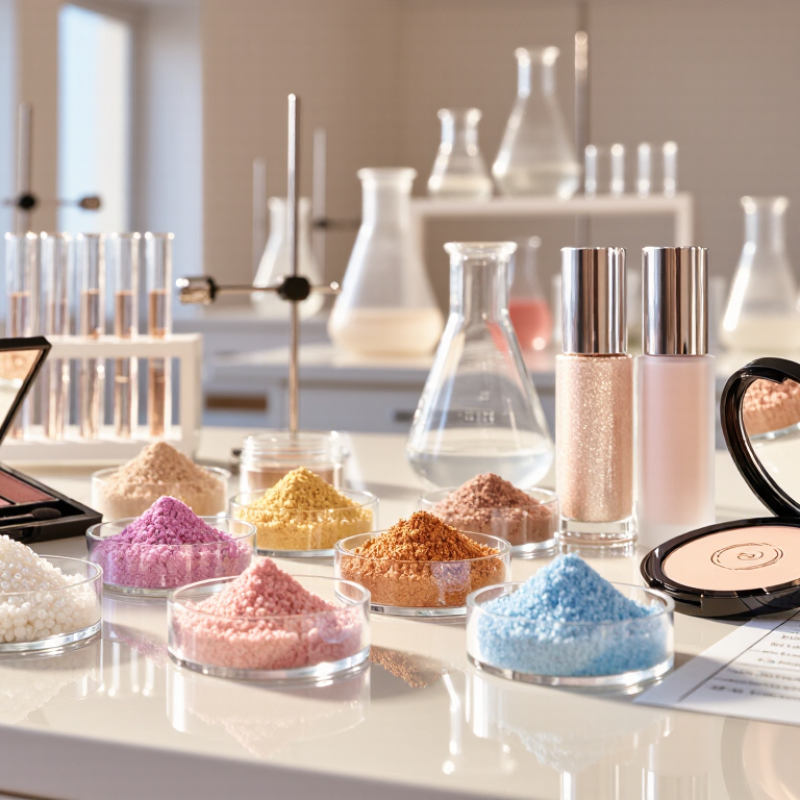
Cosmetic-grade mica is selected for more than its shimmer. It should come with clear ingredient identification, batch traceability, and relevant quality documents, such as a certificate of analysis. Check the stated particle size and intended application. A fine, soft-looking powder may feel different on the skin from a coarser sparkle. “Cosmetic grade” alone does not tell you everything.
Mica is available as loose powder, pressed blends, and pearlescent pigments made by coating mica flakes with color-producing materials. Natural mica can give a gentle, layered glow; synthetic fluorphlogopite often offers a more uniform appearance. Neither form is automatically right for every formula. Match the particle size and effect to the product, then verify that each pigment is suitable for its intended cosmetic use. Small details matter.
When comparing samples, test a small amount in the actual base: a cream can mute sparkle, while a dry powder may show it more clearly. Review supplier specifications and safety documentation, and ask about color variation between batches. I would not choose by a swatch alone; lighting can be misleading. One thing worth reconsidering is the assumption that finer always means better. Too fine may look flat, while larger particles can feel gritty or emphasize texture. Check dust-handling guidance when weighing loose powders.

Choose mica by matching its particle size, color, and surface treatment to the product’s purpose. Fine particles usually create a soft, even sheen in foundation or pressed powder. Larger particles can give eyeshadow a more noticeable shimmer, but may feel gritty if the formula does not hold them well. Subtle or bold? Test the finish on skin, not just on a white sample card.
The base formula matters too. A mica that blends smoothly into an oil-based cream may clump in a water-rich formula without suitable formulation support. Check the supplier’s technical information for particle size, coating, recommended use, and cosmetic-grade documentation. For products used near the eyes, confirm that the material is specifically documented for that intended area. Color can also shift: a bronze mica may look warm in the jar yet turn cooler over a pale base.
Make small test batches. Press a little powder onto a fingertip, then check how it applies, adheres, and looks under natural light. For a satin blush, a fine, low-sparkle mica may feel more wearable than a chunky effect pigment. I still find swatches imperfect; skin tone and lighting change the result. That is worth remembering. Record the amount used and test the finished product after mixing, since a beautiful loose pigment can disappear into the formula.
Choosing mica particle size starts with the finish you want. Fine particles usually create a soft sheen that looks subtle on the cheeks or eyelids. Larger particles reflect more distinct flashes of light. They can feel noticeable in a balm or cream, so test the texture between your fingers. Smoothness matters.
Color can shift after blending. A warm gold may look peachy over a pale base, while a cool violet can appear muted on deeper shades. Make small swatches on a surface close to the intended skin tone, then check them near a window and under indoor lighting. One swatch is not enough. Mica’s natural sparkle can also change how its color reads.
Coverage depends on more than the pigment in the jar. The base formula, mica loading, and other colorants all affect the result. Add powder gradually, mix thoroughly, and let the sample settle before judging it. Compare a thin layer with a heavier one on the same area. Cosmetic-grade material and clear supplier documentation help support safer formulation choices. Still, a neat sample can mislead; real wear may reveal drag, fallout, or a shade that feels too bright. Brush-on and cream formulas may need different particle sizes.
Compare approximate particle-size ranges to select a finish. Actual ranges vary by grade and supplier.
How to use this guide: Fine mica typically gives a smoother, satin-like finish; coarser mica creates more visible sparkle. Mica is translucent, so particle size affects finish more than opacity. For stronger color coverage, consider the pigment or coating and test the shade in your intended formula.
Cosmetic mica should look consistent and come with clear, verifiable safety information. Check that the powder is intended for cosmetic use, not simply craft or industrial applications. A fine, even texture can help it blend smoothly into a pressed powder or cream. Look closely for grit, unusual odor, or visible specks. These signs do not prove a problem, but they deserve questions. I would not judge purity by color alone; appearance can be misleading.
Tips: Ask for a current, batch-specific certificate of analysis and safety data sheet. Check the lot number on the paperwork against the product label. Request details about particle size, composition, and testing for relevant contaminants. Keep a small sample and record the batch details. It sounds fussy, but it helps when a shade or texture changes later.
Supplier documentation should identify the material clearly and explain how its results were obtained. Review whether the documents are dated, internally consistent, and linked to the batch you plan to buy. If a supplier provides only a generic sheet, ask for product-specific records. A certificate is useful, not a magic guarantee; testing scope and methods matter. When answers remain vague, pause before using the powder in a finished formula. Even careful checks have limits, so document your decisions and reassess when suppliers or batches change.
Test mica in the actual cosmetic base, not only on a white card. A shade that looks warm and bright in the jar may appear grey in a cream. Prepare small, labeled batches at the intended use level, and keep one batch without mica as a control. Record the mica grade, amount, mixing time, and base temperature. Use the same tools and process for each sample. This makes comparisons more useful. Watch for clumping, streaks, settling, and changes in texture. A spatula can reveal streaks that a quick visual check misses. Small details matter.
Check color payoff under daylight and indoor lighting, both on the product and after application. Let samples stand, then inspect them again for settling or separation. If the formula will be packaged, test it in the intended container; a clear jar can make settling easier to spot. Repeat the test after storage at suitable temperatures, and compare each sample with its control. Follow the supplier’s technical guidance and evaluate suitability for the intended cosmetic use. One test may look convincing, but it is not enough. I would also question a result that works only with unusually long mixing. That may be a process problem, not a reliable formula.
Practical screening guide for comparing cosmetic-grade mica powders in a finished formulation. Results and acceptance criteria should be confirmed against the supplier specification, product type, and applicable local regulations.
| Evaluation Area | How to Test | What to Look For | Formulation Relevance | Decision Guidance |
|---|---|---|---|---|
| Cosmetic identity and documentation | Review the ingredient declaration, technical data sheet, safety data sheet, and certificate of analysis. Confirm the material is specified for cosmetic use. | Consistent ingredient identity, grade, lot number, and documented specifications. | Confirms the powder is appropriate for the intended cosmetic application and supports batch traceability. | Do not select on appearance alone. Obtain current documentation and verify that the material is permitted for the intended use in the target market. |
| Color and visual effect | Apply the powder to a standard drawdown card or add it to a fixed base at a controlled concentration. Compare under consistent lighting. | Base shade, undertone, coverage, sparkle, and consistency between samples. | Fine, low-sparkle grades can suit subtle finishes; larger or more reflective particles can create a stronger shimmer. | Evaluate in the actual base: the binder, concentration, and application method can change the perceived color and reflectance. |
| Particle-size distribution | Check the supplier’s particle-size data and measurement method. If needed, confirm distribution using an appropriate particle-sizing method. | A distribution that matches the desired finish, with no unexpected coarse particles or visible agglomerates. | Particle size influences visual smoothness, reflectance, skin feel, and the risk of a gritty appearance. | Compare like-for-like measurements. A single particle-size value does not describe the full distribution or guarantee a particular feel. |
| Dispersion and agglomeration | Add mica gradually to the intended oil, water-compatible system, or powder base using the planned mixing process. Inspect a drawdown or smear. | Even distribution, minimal speckling, and no persistent clumps under the selected process. | Mica is an insoluble particulate ingredient; it must be dispersed rather than dissolved. | Adjust addition order, mixing time, and shear as appropriate. Confirm that any surface treatment is compatible with the formulation. |
| Skin feel and payoff | Prepare a small controlled batch and assess spread, slip, drag, powderiness, and payoff using a consistent application amount. | A feel and color payoff suitable for the intended product, without objectionable grit or excessive dusting. | Different particle sizes, coatings, and base formulas can affect glide, adhesion, and pickup. | Use a blinded comparison where possible, and evaluate at the intended use level rather than as loose powder alone. |
| Oil or liquid compatibility | Disperse a fixed amount into the intended liquid phase and observe wetting, uniformity, settling, and ease of redispersion over time. | Wetting and suspension behavior appropriate to the product; no unacceptable hard settling or separation. | Important in creams, lotions, liquid makeup, and other systems where mica must remain evenly distributed. | Assess the complete formula. A successful initial dispersion does not by itself establish long-term stability. |
| Color stability in the formula | Compare the initial sample with samples stored under the product’s planned stability conditions. Record color and appearance at defined intervals. | No unacceptable color shift, loss of effect, or visible change in dispersion. | Formula pH, other ingredients, packaging, and storage conditions may affect the finished product even when the mica itself is stable. | Set product-specific limits and assess finished-product stability; do not rely solely on raw-material appearance. |
| Purity and trace-element controls | Review the lot-specific certificate of analysis and request suitable validated testing, such as ICP-MS, when required by the risk assessment or regulations. | Results meet the applicable legal requirements and the finished product’s established raw-material specifications. | Mineral-based ingredients require appropriate impurity controls; limits and requirements vary by jurisdiction and product category. | Do not apply a single universal limit. Confirm applicable rules for the intended market and maintain supplier qualification and lot controls. |
| Microbiological quality | Review supplier microbiological data and use suitable testing for the raw material and finished product when required by the product risk assessment. | Results meet the relevant specifications and regulatory requirements for the material and product type. | Powdered raw materials and finished cosmetics have different testing considerations; water-containing products may need additional preservation evaluation. | Follow the applicable cosmetic microbiological standards and assess the finished formulation, not just the raw material. |
| Finished-product stability | Evaluate the packaged formulation under appropriate real-time and accelerated conditions. Monitor appearance, dispersion, odor, packaging compatibility, and other product-specific properties. | No unacceptable settling, separation, caking, color change, or package interaction during the study. | Confirms that the selected mica works in the complete formula and packaging system. | Use a documented stability protocol appropriate to the product. Accelerated results do not automatically replace real-time evaluation. |
Selection tip: Shortlist grades by desired finish and particle-size profile, then compare them at the same concentration in the same base using the same manufacturing process. This guide is for screening and does not replace supplier qualification, safety assessment, regulatory review, or finished-product testing.