Inquiry
Form loading...

5 Best Color Changing Mica Powder Suppliers?

Choosing a reliable Color Changing Mica Powder supplier requires more than comparing bright product photos. The powder may shift from purple to blue, gold to green, or remain unchanged under weak conditions. Lighting, temperature, viewing angle, particle size, and the base material can all affect the result. Small details matter.

This guide examines five leading supplier options through practical sourcing criteria. These include color strength, transformation consistency, particle texture, packaging quality, documentation, minimum order quantities, and delivery reliability. A useful supplier should provide clear product specifications, batch information, recommended applications, and safety documentation where appropriate. Samples also deserve attention. A powder that looks impressive in a vial may perform poorly in resin, soap, paint, or handmade cosmetics. That assumption can fail.

The comparison considers both product performance and business support. Clear communication often reveals more than polished marketing. Can the supplier explain activation conditions? Do they answer questions about storage, mixing ratios, and compatibility? Are replacement policies stated clearly? These questions help separate dependable manufacturers from resellers with limited technical knowledge. However, no ranking can suit every buyer. A small craft studio may value low minimum orders, while an established manufacturer may prioritize stable bulk supply and repeatable batches. Even careful evaluations have limits. Supplier data can change, and real-world testing remains essential. Use this overview as a starting point, then verify samples before committing to larger purchases.
5 Best Color Changing Mica Powder Suppliers?

What Is Color-Changing Mica Powder and How Does It Work?

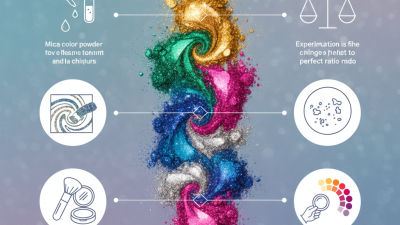
Color-changing mica powder is a fine, pearlescent pigment used in coatings, soap, resin, cosmetics, and craft materials. It usually contains mica flakes coated with temperature-sensitive or light-responsive compounds. The mica creates sparkle, while the coating changes how light is absorbed and reflected. The result may shift from purple to blue, or from pale to transparent, depending on the formula.

Temperature-sensitive grades react to heat from a warm hand, sunlight, or heated water. Light-responsive grades change under ultraviolet exposure. A sample may look quiet indoors, then brighten near a window.

Particle size affects the finish. Fine particles create a softer sheen, while larger flakes produce stronger sparkle but may settle faster.

A reliable supplier should provide safety data, recommended usage levels, particle-size information, and clear activation temperatures. Test a small batch before placing a large order.

Stirring matters. Poor dispersion can make the color appear weak or uneven.

In practical testing, sample cards can mislead when lighting changes, so testing under several conditions is wiser. Some colors may fade after repeated heating or sunlight exposure. That limitation is easy to overlook. Suppliers with traceable batch details and consistent samples are easier to evaluate, even when their pigments look nearly identical.
How to Evaluate Color-Changing Mica Powder Suppliers

When evaluating color-changing mica powder suppliers, start with the pigment itself, not attractive color charts. Ask how the effect works and which conditions activate it. Thermochromic powders respond to temperature, while photochromic powders react to light. The supplier should explain the activation range, color transition, particle size, and recommended usage level. Request a technical data sheet and safety documentation. Small samples matter.

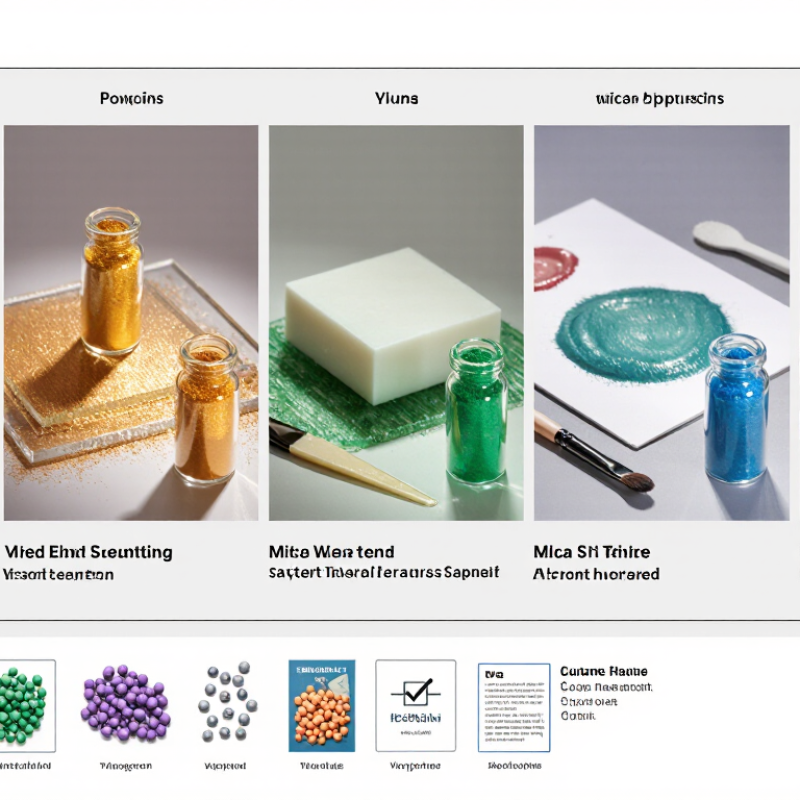
Test each sample in the product you actually plan to make. Mix it into clear resin, soap base, coating, or another intended formula. Check color strength, dispersion, settling, surface feel, and reversibility. Good suppliers provide batch numbers and consistent sample results. Compare samples after heating, cooling, sunlight exposure, and several storage days. A color shift that looks impressive for ten minutes may fade quickly.

Examine the supplier’s quality controls, packaging, and communication. Sealed moisture-resistant packaging protects fine mica particles during transport. Documents should identify composition, storage conditions, shelf life, and testing methods. Ask whether every batch receives color and particle-size checks. Vague answers deserve caution. That shortcut costs time.

Supplier communication also reveals technical competence. Ask for formulation limits, compatibility notes, and troubleshooting guidance. Notice whether representatives answer precisely or make unsupported promises. Transparent suppliers admit limitations, including weak color changes in opaque formulas. No sample is perfect. I have found that recording test temperature, light exposure, mixing time, and batch number prevents unfair comparisons. Keep those notes beside each retained sample.

5 Best Color-Changing Mica Powder Suppliers: Evaluation Benchmark

An anonymized comparison based on key purchasing criteria for color-changing mica powder.

Scores use a 100-point screening rubric: color-shift strength and repeatability account for 55%, heat and UV stability for 20%, technical documentation for 15%, and MOQ and lead-time flexibility for 10%. The supplier names are anonymized; request samples, COA, SDS, particle-size data, and application test reports before making a final decision.

Top Five Color-Changing Mica Powder Suppliers Compared

Comparing the top five color-changing mica powder suppliers requires more than checking shade charts.

Mica does not change color alone. Suppliers usually combine mica flakes with interference, thermochromic, or photoresponsive coatings. This difference affects stability, safety documentation, and final appearance.

Grand View Research reports that the global pearlescent pigments market is expanding steadily, supported by cosmetics, coatings, and plastics demand. That growth increases supplier choice, but not necessarily quality.

Supplier A focuses on cosmetic-grade powders, offering fine particles and batch testing.
Supplier B serves industrial coatings, where heat resistance and outdoor durability matter more.
Supplier C targets small buyers with lower minimum order quantities.
Supplier D provides custom color matching, although sample approval may take longer.
Supplier E emphasizes mineral traceability and consistent particle size.

MarketsandMarkets identifies performance coatings and personal care as important pigment application areas, while Fortune Business Insights highlights rising demand for effect pigments.

Ask each supplier for particle-size data, heavy-metal test results, lightfastness ratings, and a current safety data sheet. Request a wet sample too.

Dry powder can look impressive, yet its color shift may weaken in resin, soap, or coating bases. My practical concern is consistency. Even reputable suppliers can show slight shade differences between batches.

Temperature, lighting, and viewing angle also change the result. A supplier comparison should record all three conditions.

Fancy color is not enough.

Key Differences in Quality, Pricing, and Customization

Choosing the five best color-changing mica powder suppliers requires more than comparing catalog prices. Particle size, color shift, batch consistency, and testing documents affect the final result. Grand View Research valued the global mica market at approximately USD 647 million in 2023, with continued growth expected through 2030. That growth increases supplier choices, but quality still varies.

Professional buyers should request samples from five suppliers and compare them under daylight, warm light, and indirect indoor lighting. A reliable powder should spread evenly, show minimal clumping, and produce a repeatable shift in resin, soap, or cosmetic applications. Pricing often changes with particle size, minimum order quantity, coating technology, and custom color development. Custom shades may require laboratory fees and longer lead times. Ask for a certificate of analysis, heavy-metal testing, particle-size data, and batch records. ISO 9001-based quality systems can support consistency, although certification alone does not guarantee performance. I have found that attractive sample photos can mislead. Real testing matters more.

Tips: Place a small sample on black and white surfaces. Record the lighting conditions. Compare the same weight in each test. Ask whether the quoted price includes packaging, testing, and customization. Some suppliers offer low prices but provide weak technical support. That trade-off may become expensive later. Dye stability also deserves attention, because strong color shifts can fade after heat exposure or prolonged sunlight. Industry beauty reports from McKinsey indicate continued premiumization in beauty products, making reliable visual effects commercially valuable. However, not every custom effect deserves its extra cost.

How to Choose the Right Supplier for Your Project

5 Best Color Changing Mica Powder Suppliers?

How to Choose the Right Supplier for Your Project

Choosing a color changing mica powder supplier requires more than comparing prices. Start by defining the effect you need, such as temperature response, light response, or both. Ask for particle-size data, color-change ranges, and sample quantities. A reliable supplier should provide clear technical sheets, safety information, batch details, and storage guidance. Consistent color performance matters when your product will be produced repeatedly.

Request samples before placing a large order. Test them in your actual resin, coating, soap, or craft formula. Check brightness, settling, adhesion, and color recovery after repeated changes. Supplier experience becomes visible here. They should answer practical questions about dispersion, recommended loading, and compatibility. I once trusted a powder’s catalog image too quickly. The finished color looked weaker under indoor light. That mistake made testing seem less optional.

Tips: Compare at least three suppliers. Record every test condition. Ask about minimum order quantities, lead times, replacement policies, and packaging. Confirm whether the powder suits your intended application. Some suppliers may offer impressive samples but provide limited technical support later. That is a warning sign. A careful supplier will explain limitations instead of promising perfect results. Also, review documentation for your region and industry before purchase. A professional conversation often reveals more than a polished product page.

5 Best Color Changing Mica Powder Suppliers? - How to Choose the Right Supplier for Your Project

Anonymous supplier comparison based on common industry specifications and purchasing benchmarks

Rank Supplier Profile Color-Changing Technology Typical Particle Size Common Application Areas Typical Sample / MOQ Range Typical Lead Time Documentation to Request Best Fit Overall Score
1 Profile 1: Custom Formulation Specialist Color-shifting interference pigment Custom shade matching 10–60 μm Automotive coatings, premium cosmetics, specialty plastics, decorative finishes Sample: 50–200 g
MOQ: 5–25 kg
Sample: 1–2 weeks
Production: 3–6 weeks
Technical data sheet, safety data sheet, particle-size distribution, heavy-metal statement, batch certificate Projects requiring a specific color shift or appearance under different viewing angles 9.2
2 Profile 2: Cosmetic-Grade Supplier Interference mica Pearlescent color travel 5–40 μm Eye shadow, nail products, lip products, body glitter, soap and personal-care formulations Sample: 25–100 g
MOQ: 1–10 kg
Sample: 3–10 business days
Production: 2–5 weeks
INCI information, cosmetic compliance statement, microbiological limits, heavy-metal test, allergen information Cosmetic brands that need fine texture, strong sparkle and regulatory support 9.0
3 Profile 3: Thermochromic Powder Specialist Temperature-activated pigment Reversible color change 1–10 μm Security printing, novelty products, temperature indicators, inks, labels and educational products Sample: 10–50 g
MOQ: 1–20 kg
Sample: 1–3 weeks
Production: 4–8 weeks
Activation-temperature data, color-cycle information, lightfastness data, SDS, storage requirements and compatibility guidance Applications where the color must respond to heat or touch rather than viewing angle 8.7
4 Profile 4: High-Volume Industrial Supplier Standard color-shift grades Bulk pigment blends 15–100 μm Industrial coatings, plastics, synthetic leather, construction materials and large-scale decorative products Sample: 100–500 g
MOQ: 25–100 kg
Sample: 1–2 weeks
Production: 3–7 weeks
Certificate of analysis, lot traceability, RoHS or REACH-related statement, heat-stability data and packaging specification Manufacturers prioritizing consistent supply, competitive pricing and repeat production 8.5
5 Profile 5: Small-Batch and Stock Supplier Ready-to-ship color-shift mica Standard shades 10–80 μm Craft coatings, resin art, handmade cosmetics, prototypes, packaging concepts and small product runs Sample: 10–100 g
MOQ: 100 g–5 kg
Usually 2–10 business days when in stock Product specification, SDS, batch number, storage instructions and application recommendations Designers, laboratories and small businesses that need low quantities and fast delivery 8.3
Selection tip: Confirm the pigment type before purchasing. Interference mica changes appearance mainly with viewing angle and light, while thermochromic pigment changes color with temperature. Always request a current technical data sheet, safety data sheet, sample batch and compatibility test before placing a production order.