How to Use Mica Pearl Pigment in Your Products in 2026?
The beauty industry is continuously evolving. Mica Pearl Pigment plays a significant role in this transformation. Renowned expert Dr. Emily Thompson states, “Mica Pearl Pigment enhances both aesthetics and function in cosmetic formulations.” This highlights its dual impact on beauty products.
In 2026, brands must recognize the potential of Mica Pearl Pigment. Its shimmering effects captivate consumers. But achieving the right balance is critical. Overusing it can lead to products that feel unnatural. Without thoughtful application, the shine may overshadow product effectiveness.
Moreover, consumers are increasingly aware of ingredient sourcing. Transparency is vital. Mica mining has faced scrutiny over ethical concerns. Brands must address these issues responsibly. This approach enhances brand trust and aligns with growing consumer expectations. As we explore Mica Pearl Pigment's applications, we must reflect on our practices. Balancing creativity with responsibility is essential for sustainable success.
Understanding Mica Pearl Pigment and Its Uses in 2026
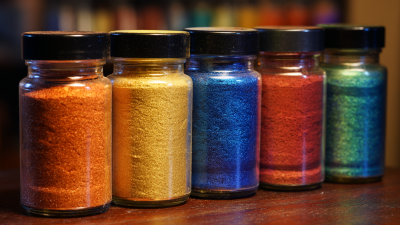
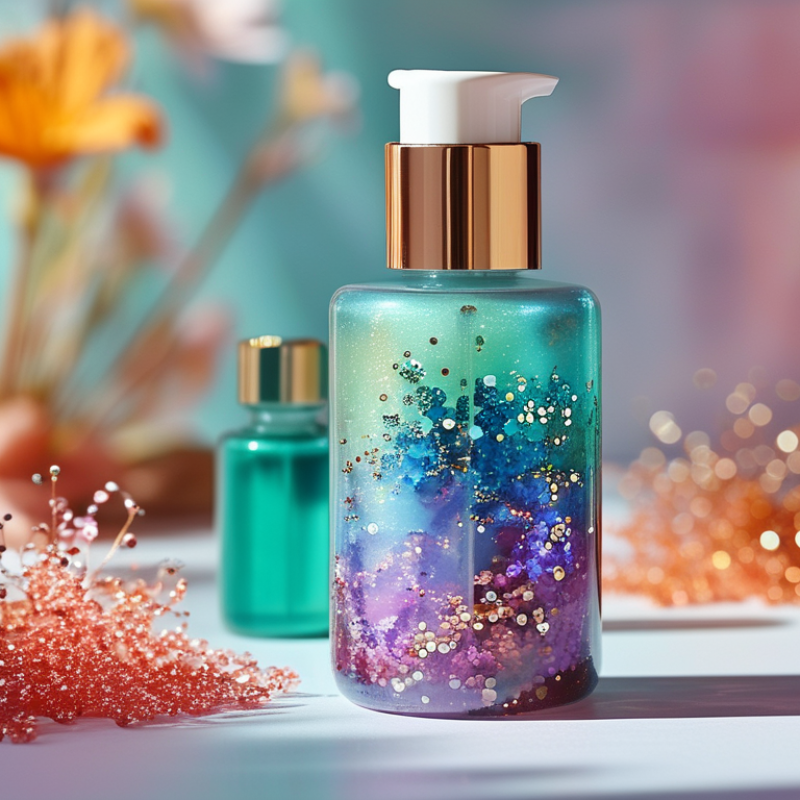
Mica pearl pigment is gaining traction in various industries. This mineral-based colorant shines in cosmetic applications. Its shimmering properties enhance lipsticks, eyeshadows, and nail polish. The Global Mica Market report indicates that the demand for mica is expected to reach 3.5 billion USD by 2026. This projection reflects the growing interest in natural ingredients.
The use of mica pearl pigment offers a unique aesthetic appeal. It provides depth and luminescence that synthetic dyes can't match. A recent study showed that formulations with mica are perceived as higher quality. However, sourcing mica responsibly remains a concern. Some suppliers may not follow ethical practices. This requires manufacturers to verify their supply chain. Creating sustainable products involves scrutiny of raw materials.
When incorporating mica into products, it is essential to consider the particle size. Different sizes yield varied visual effects. Smaller particles create a subtle shimmer, while larger ones provide bold highlights. Testing formulations is crucial. It helps understand how mica interacts with other ingredients. Balancing aesthetics with performance is a challenge. Ensuring quality while using this pigment demands continuous evaluation and adaptation.
Choosing the Right Mica Pearl Pigment for Your Products
Choosing the right mica pearl pigment can significantly impact your product's appeal. Mica pearl pigments provide shimmer, enhance colors, and can create a luxurious feel. However, not all mica pigments are created equal. Consider the particle size, as finer particles create a smoother finish, while larger particles can add texture. You may need to experiment to see what works best for your formulation.
When selecting mica pigments, verify their source. Sourcing from reliable suppliers ensures quality. Some mica may contain impurities. This can affect both color and safety in your products. Always request a Certificate of Analysis from suppliers. This document verifies the purity and quality of the mica.
Testing is crucial. Create small batches to see how pigment interacts with other ingredients. Sometimes, different lighting conditions affect the way colors appear. Be mindful that over time, pigments may fade. Keep a record of your formulations. Document any changes and how they impact your end product. Adjust based on customer feedback. Remember, what works for one product may not suit another.
How to Use Mica Pearl Pigment in Your Products in 2026? - Choosing the Right Mica Pearl Pigment for Your Products
| Mica Pearl Pigment Type |
Color |
Recommended Use |
Particle Size (Microns) |
Transparency |
| Synthetic Mica |
Silver |
Cosmetics |
10-20 |
High |
| Natural Mica |
Gold |
Soaps & Lotions |
20-40 |
Medium |
| Dull Mica |
Copper |
Nail Polish |
5-15 |
Low |
| Shimmer Mica |
Blue |
Face Makeup |
15-30 |
High |
Incorporating Mica Pearl Pigment in Different Product Formulations
Mica pearl pigment has gained traction in diverse product formulations, especially in cosmetics and skincare. Its shimmering effect enhances aesthetic appeal, making products visually captivating. According to a report by Mordor Intelligence, the global market for mica pigments was valued at approximately $1.2 billion in 2021 and is projected to grow at a CAGR of 5.2% through 2026. This upward trend highlights the increasing demand for natural and non-toxic pigments.
When incorporating mica pearl pigment, formulation considerations are essential. The particle size can affect the product's transparency and finish. For instance, finer particles create a softer glow, while coarser ones provide a more dramatic shimmer. Additionally, mixing mica with other ingredients can sometimes lead to settling, affecting the consistency of the final product. Testing formulations under various conditions is crucial for achieving desired effects.
Sustainability remains a concern in using mica. Potential environmental impacts and ethical sourcing practices must be reviewed. Exploring synthetic alternatives could also meet consumer safety and sustainability demands. As the industry evolves, continuous research and innovation in formulation practices will be paramount. Addressing these challenges is part of adapting to market needs while ensuring product integrity.
Safety and Regulatory Considerations for Using Mica Pearl Pigment
When considering the safety and regulatory framework for mica pearl pigment in 2026, manufacturers must stay informed. The global mica market, valued at approximately $1.3 billion in 2023, is subject to evolving regulations. Many countries now emphasize sustainability and ethical sourcing. It's crucial to source mica from conflict-free regions. Ensuring transparency in supply chains can strengthen product credibility.
Regulations around mica often focus on potential contaminants, including asbestos. A 2022 report indicated that around 30% of mica sourced from certain areas could contain hazardous substances. Testing products for purity is essential. Implementing rigorous quality control measures can mitigate health risks. Companies should adhere to guidelines set by regulatory bodies to maintain compliance.
There is also the challenge of consumer perception. Many consumers are now aware of the origins of their beauty products. A survey revealed that over 60% of shoppers consider ethical sourcing before purchasing. Brands must communicate their commitment to safety and ethical practices clearly. This not only builds trust but also aligns with growing consumer expectations. It’s imperative to reflect on these challenges and ensure that all claims are substantiated through credible practices.
Tips for Achieving the Best Aesthetic Results with Mica Pearl Pigment
Mica pearl pigment can transform products in 2026. To achieve the best results, understanding its properties is crucial. This pigment reflects light beautifully, creating a shimmering effect. Use it in cosmetics for a dazzling finish. The key is to mix it thoroughly to avoid clumps. An even blend enhances the aesthetic appeal.
When applying mica pearl pigment, consider the medium. In liquid formulations, like lip gloss, it can disperse well. In creams, ensure the base is suitable to hold the shimmer. Test different concentrations; too much mica can overpower the formula. Not all pigments match every product, which is an essential factor to explore.
Experimentation is vital. Each batch may yield different results. Document these changes for best practices. Adjust the usage according to the product's purpose. Sometimes, you may not achieve the desired sparkle; reflect on the mixing process and surrounding conditions. Improving your technique can lead to stunning results.